
Do You Really Need Expensive Wild Camping Gear?

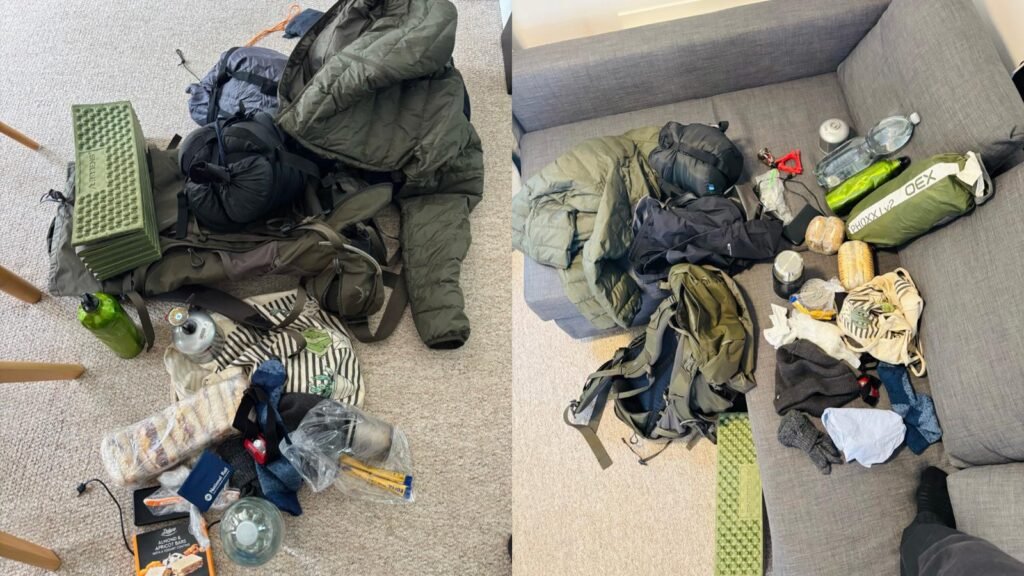
Some of the best pieces of equipment I own weren’t the most expensive. Others were borrowed, given to me or cost a little more because I knew I’d use them for years. What I’ve learnt is that the price of things matters far less than choosing gear that suits your needs and the way you camp.
Over the years I’ve realised something. Expensive gear doesn’t necessarily make camping better.
I’ve never bought equipment just because it’s the latest thing. I don’t follow trends, and I certainly don’t replace things simply because something newer has come along. I buy what I need, when I genuinely need it, and then I use it until it no longer does the job.
Most of my equipment has been with me for years, and there is no reason to replace it. For me, camping isn’t about owning the most expensive gear or the newest gadgets. It’s about enjoying time outdoors and spending a night in places I wouldn’t usually be spending nights in.
That quiet, low-impact approach is something I explain in more detail in The Way I Wild Camp – Quiet, Stealth and Low Impact.
I Buy Only What I Need
One thing I never do is impulse buy. When I’m looking to buy something, I usually spend weeks, sometimes months, researching it. I’ll compare everything from the weight and size to the price, and of course I’ll read a few reviews. I will then wait a little time to see if it goes on offer.
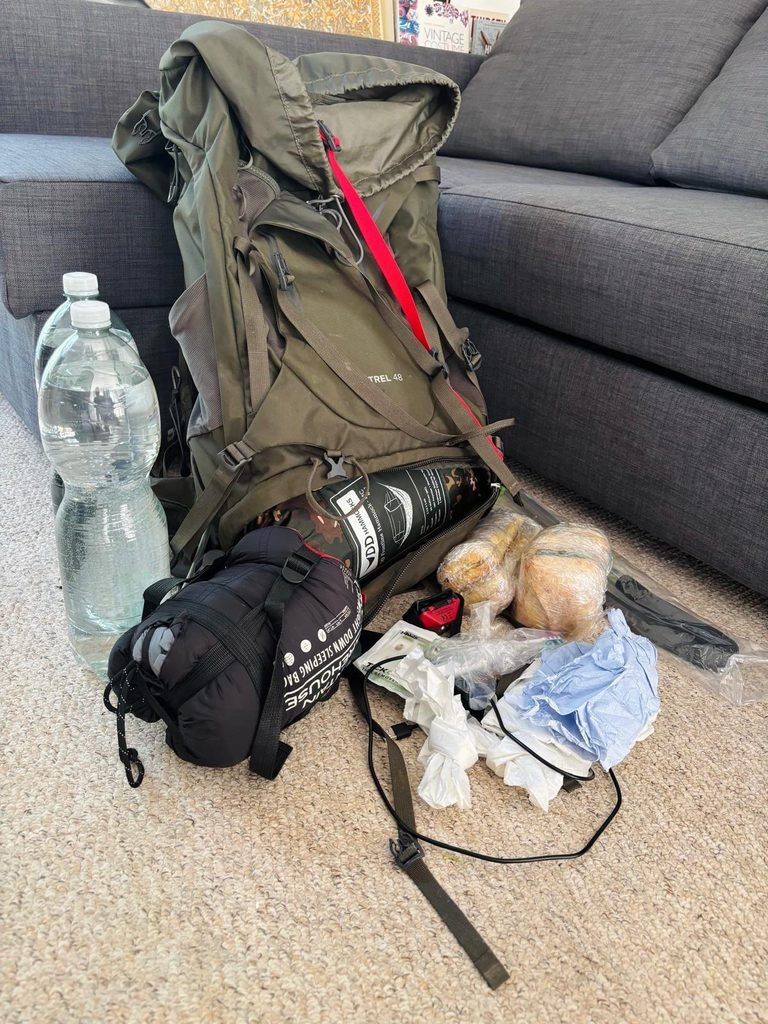
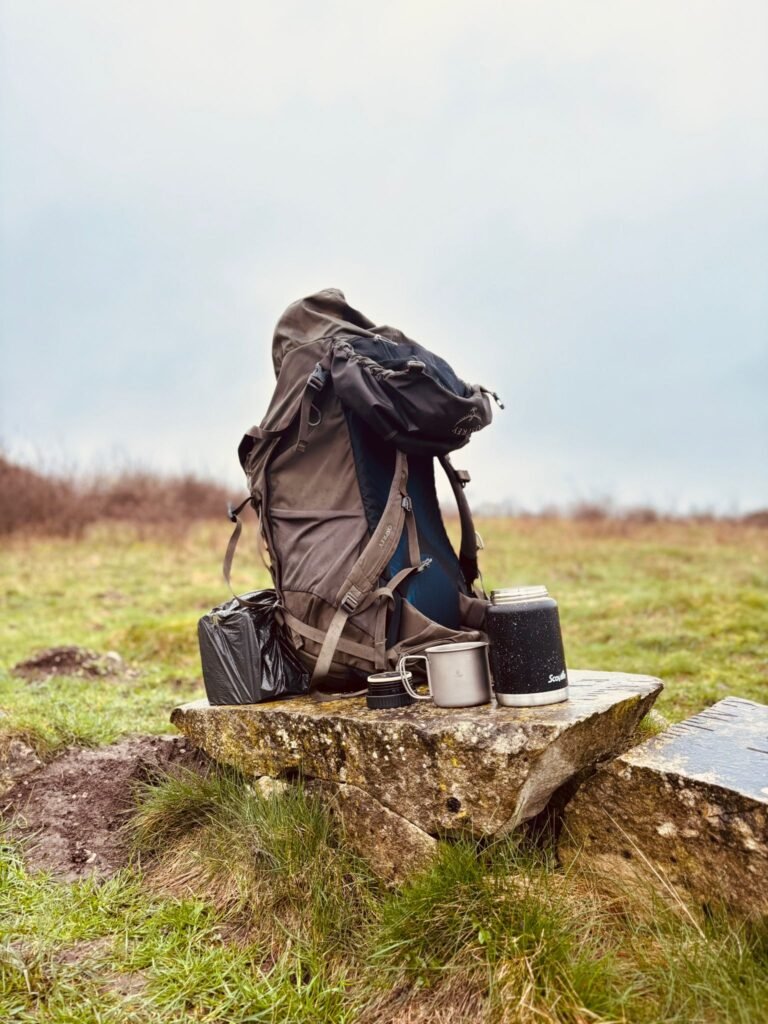
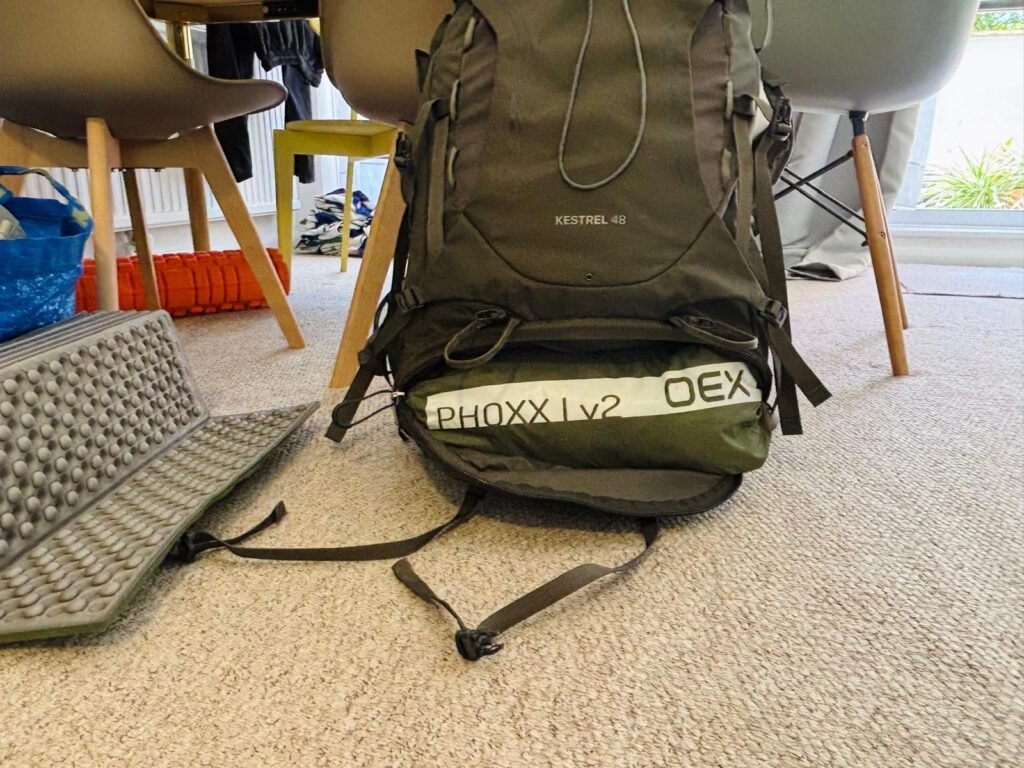
Most of my gear has actually been bought second hand or in the sales. I bought my used Dutch hooped bivvi from an online army surplus store. My Osprey backpack was heavily reduced when I bought it. So much so, it ended up costing only a little more than some of the own-brand packs.
My Alpkit sleeping bag was on offer when I bought it. So too were my Scarpa boots. Even my OEX Etna stove was reduced to £9 when I bought it.
I don’t rush into buying anything because I’d rather buy once than buy twice. Camping gear is there to be used, not collected.
Experience Saves You Money
One thing experience has taught me is what I really need, rather than what I think I should have.
When you’re new to camping it’s very easy to think you need everything. I need a better and lighter tent. I need a better sleeping bag. I need a bigger backpack. I need a good pillow. I need a super mattress with a high R-Value.
After a while you realise you don’t need everything. After doing something often enough, you soon realise what you really need and what works for you.
There’s an old saying that springs to mind: “All the gear and no idea.”
I think there’s plenty of truth in that. Spending hundreds of pounds on equipment doesn’t necessarily make the experience better. It may improve comfort, but I believe experience and good decision makes camping more enjoyable.
Knowing where to go and what to do will make a camping trip a lot better than upgrading to an ultralight piece of kit.
Sometimes Budget Gear Is Brilliant
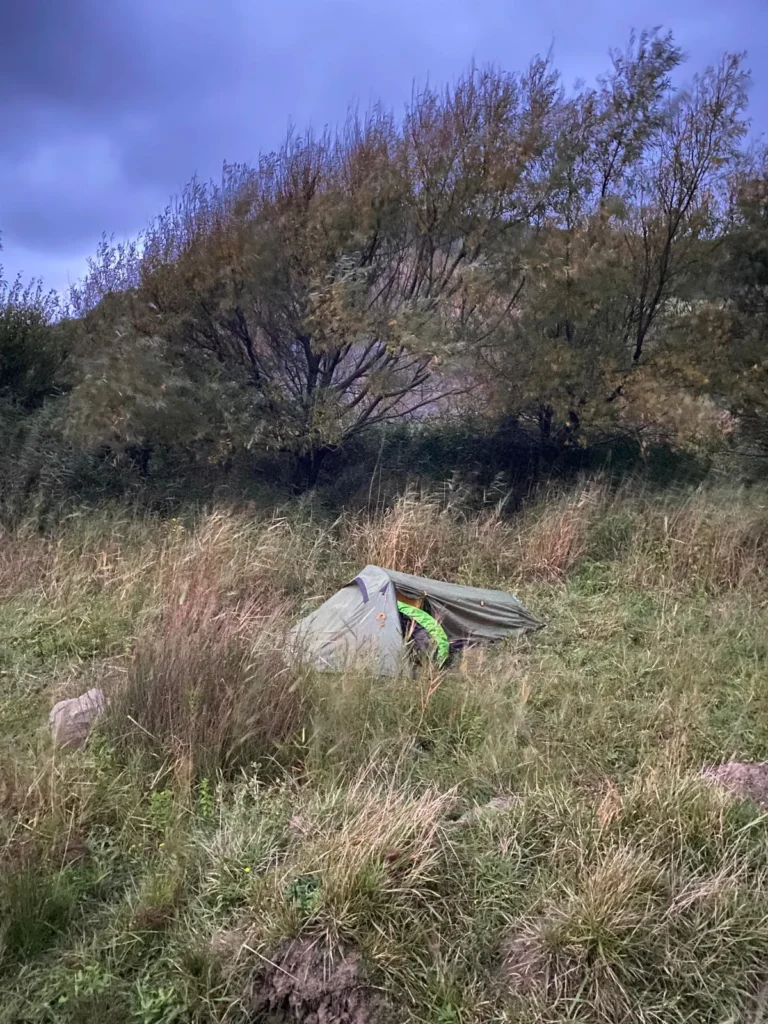
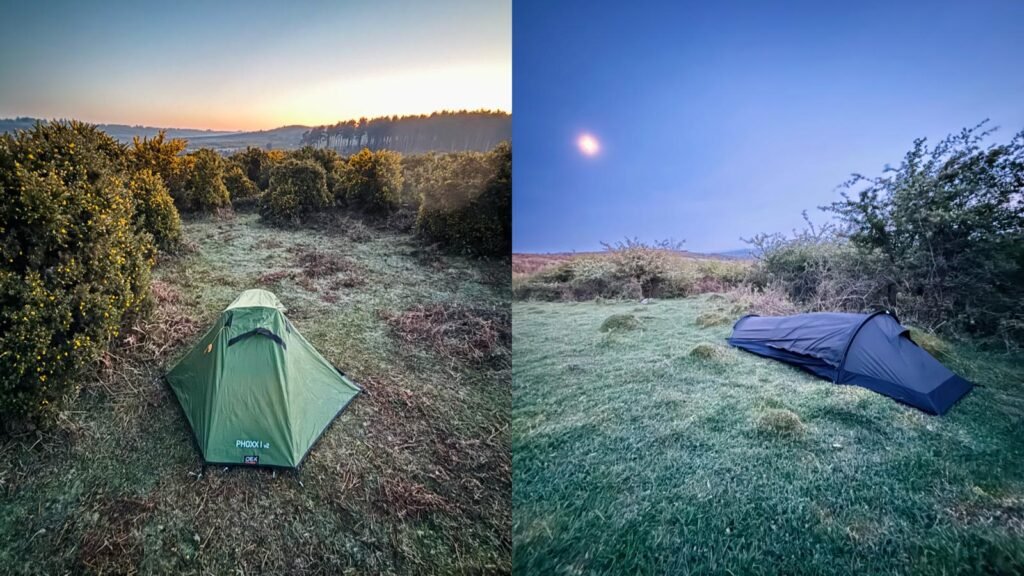
Probably the best example is my OEX Phoxx 1 V2. When I bought it, I wasn’t looking for the cheapest tent. I didn’t even really want a tent or know if I would like one.
I am a bivvi camper and I love bivvi camping and I have done it for years. I’ve never owned my own tent, the only exception was a four person tent my wife and son I shared as we toured around the USA camping in different spots for six weeks to keep costs down.
The reason I wanted a small, low-profile shelter was for walking part of the South Downs Way in September. I researched loads of tents before deciding on the Phoxx 1V2.
It wasn’t an impulse buy. It suited my needs and ticked all the boxes. One of the biggest reasons was that it was cheap, and if I didn’t like it, it wouldn’t be an expensive mistake.
I really didn’t know if I would like camping in a tent, and spending hundreds of pounds on something I may not like wasn’t something I was going to do. Well, three years later, I’m still using it.
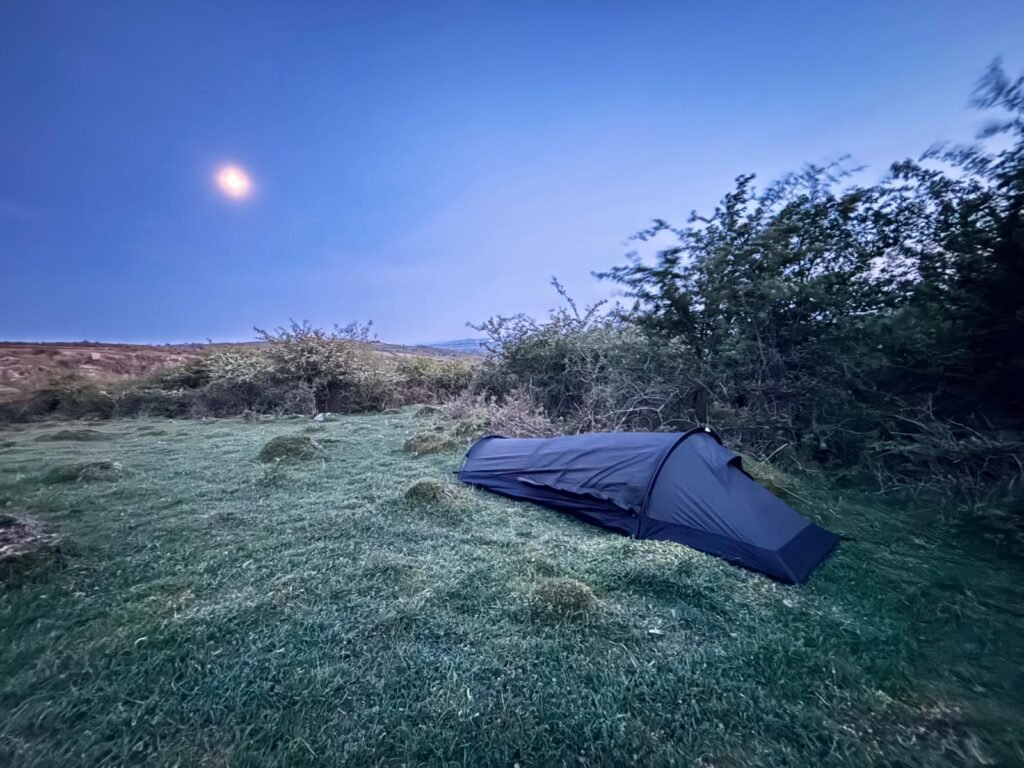
It’s been through strong winds, heavy rain, cold weather, storms and it has never let me down.
Yes, it’s small. And no, you can’t sit up inside it. But that’s never really bothered me because it suits me perfectly.
These days you can pick one up for under fifty pounds and that’s incredible value. There are tents costing six or seven times more that are around the same weight, and I know they won’t improve my camping experience.
The Phoxx simply does exactly what I need it to do.
I’ve written a full long-term review after using it through all four seasons in OEX Phoxx 1 V2 Review (UK Wild Camping).
Cheap Doesn’t Mean Poor Quality
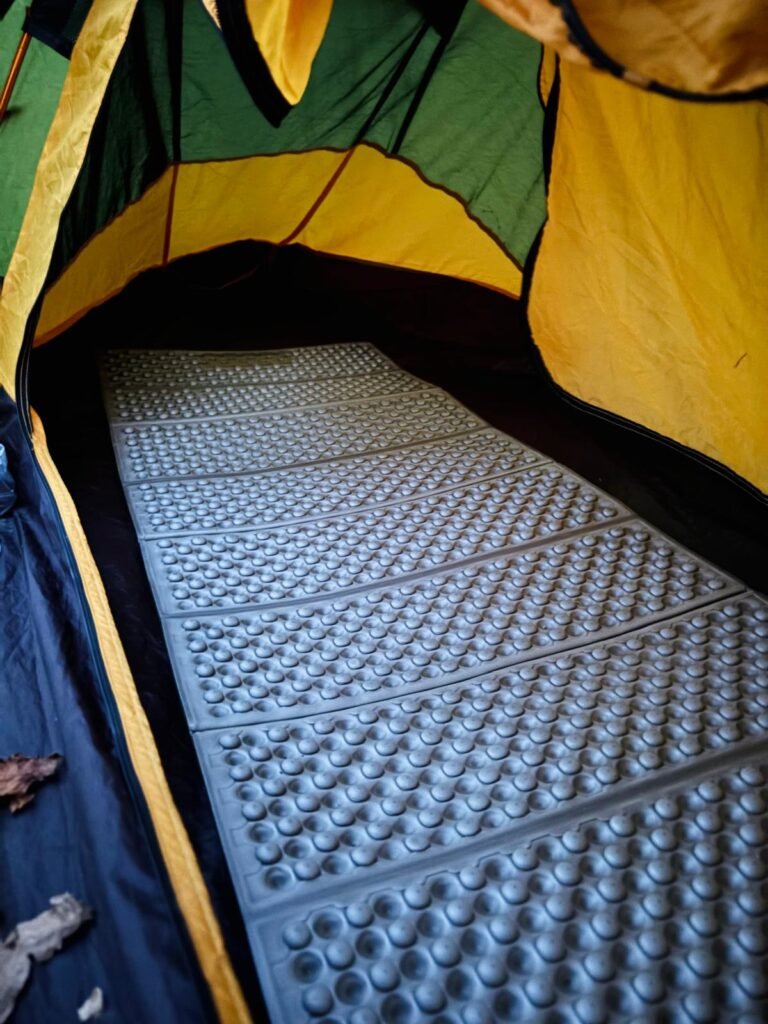
The same goes for my Robens sleeping mat. I think I paid around twelve pounds for it. Before that I used a battered old army surplus foam mat that had cigarette burns in it that I bought from an army surplus store down the road.
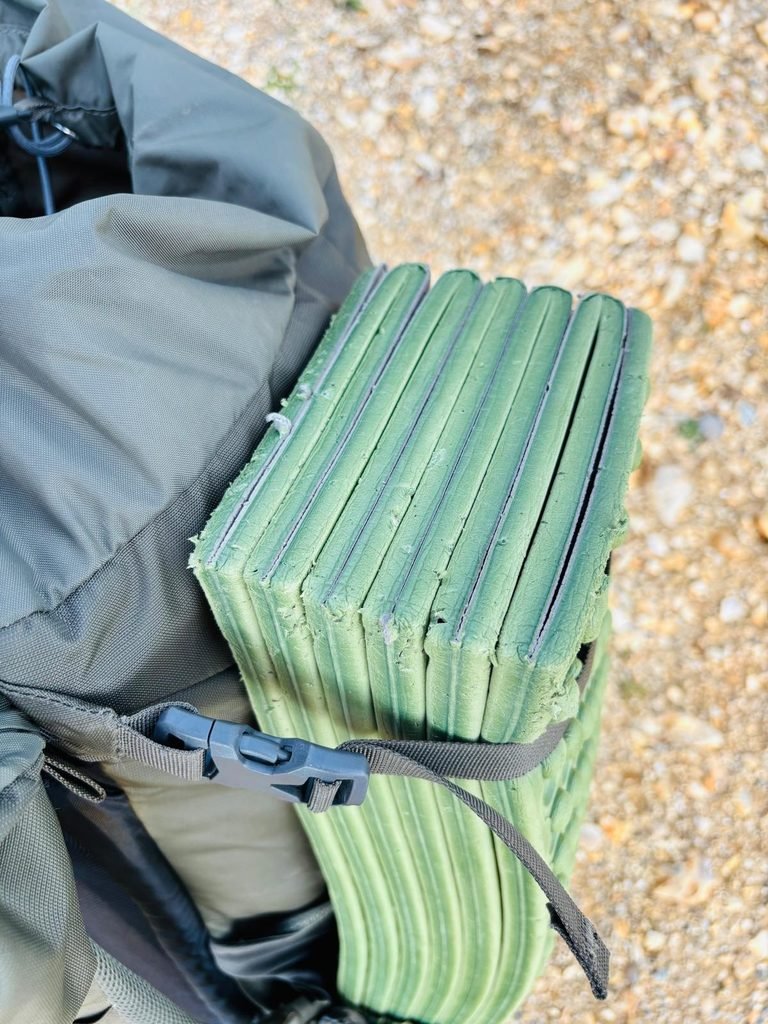
It cost me five pounds. Did either of them stop me enjoying a night outdoors? Not at all. The Robens mat has been dragged across woodland floors, pushed through scrub and impaled with thorns as it sits strapped to the outside of my bag.
It doesn’t puncture and it isn’t luxurious. It isn’t fashionable, nor is it a fancy colour. It just quietly gets on with the job.
Sometimes simple really is better.
I Will Spend Money When It Matters
By now you may think I’m against expensive gear. The truth is I’m not. If something genuinely suits my needs, then I’m happy to spend the money.
My Scarpa boots are a perfect example. Years ago my wife bought them for me as we prepared for a trekking trip to Nepal in the Hymalayas. They were the most expensive boots I had ever owned. I used and wore them for about twelve years.
They went everywhere with me. Every trip to Nepal, Scotland and South Korea, and every camping trip through the forests, hills and heathlands of England, all year round.
I called them my tanks. I felt protected wearing them. Scarpa even resoled them once for free. For twelve years they looked after me. That works out to be fantastic value.
Of course, I don’t always get it right.
A few years ago I needed a proper winter sleeping bag and thought I could do it on the cheap. I bought a Mountain Warehouse winter bag in a sale for about £40. It did what it was supposed to do and kept me warm in temperatures below zero, so in that respect it worked.
The problem was the size and weight. It weighed around 2.1kg and, even when packed into its stuff sack, it didn’t compress down very much. It was so big that it took up about a third of the space in my Osprey 48-litre backpack.
So although it was cheap and did the job, it wasn’t really the right piece of kit. Eventually I spent a little more on a better sleeping bag that was lighter and packed down much smaller.
Sometimes I get things wrong too. It’s one of those occasions where spending a little more on quality and the right piece of equipment can actually make more sense in the long run.
Likewise with my Nortent Skjul, which wasn’t an impulse purchase either. Before buying it I’d spent years using an old Dutch Army hooped bivvy that I’d bought second-hand online from an army surplus site for just under one hundred pounds.
I loved that bivvy. It was my only shelter for years. I used it all year until the weather became too cold for my kit to handle. The zip finally went on it, so when I finally decided to replace it, I knew exactly what I wanted.
I wanted something lighter, more comfortable and with a bug mesh. I knew I’d use it on most of my camps all year round. And because I camp in a bivvy far more often than I use anything else, spending more money made perfect sense.
After using it across England in different conditions, I wrote a full Nortent Skjul Review sharing what I’ve liked and what could still be improved.
Travelling Taught Me to Carry Less
Long before I got into wild camping, I spent years backpacking around the world. It has heavily influenced how I still travel to this day, and what gear I carry on my camps.
I was always the person with the smallest backpack. Back in the 1990s there was no internet, no smartphones and no bank cards. You travelled with a guidebook if you had one and whatever you could carry.
I watched people dragging huge backpacks around train stations and bus stations. Many had massive rucksacks on their backs with another smaller one strapped to the front. They struggled getting on buses, struggled to gett off them, and in India, they often had to throw their bags on the roof.
I never liked travelling that way. When I travelled around the United States for three months, I took a small holdall. A couple of T-shirts. A couple of pairs of shorts. A couple of pairs of underwear. A couple of books. I looked like I had nothing worth stealing.
That was pretty much it. Travelling by plane was easy too. When I landed, I could walk straight out of the airport without waiting at baggage reclaim.
On trains my bag became my pillow. I’d wear one set of clothes and I’d wash the other set in the evening and they’d be dry by the following morning.
Life was simple. That way of travelling has stayed with me ever since. It’s probably the reason why I don’t feel the need to carry lots of extras when I go camping today. I find the more you have, the more of a headache it is to look after things.
I Don’t Feel Pressured to Buy the Latest Gear
To be honest, I don’t spend much time looking at the latest gear. I don’t follow trends, and I’m always a little sceptical of gear reviews because what works for one person might not necessarily work for me. Adverts and the latest new thing have never really influenced what I buy.
I only start looking at things and shopping around when the time has come to replace something. Then I’ll do my research. But I already know what I want, how much it should cost and the brands that make it.
The gear I buy usually lasts for years before it needs replacing, and I never pay full price if I can help it.
But I will say that I have been pleasantly surprised recently when I replaced my Scarpa boots. Trying the new ones on, I couldn’t believe how light they were compared to my old 12 year-old ones.
Good Value Makes Me Smile
I feel very satisfied from buying something that works brilliantly without costing a fortune. My OEX stove cost me under ten pounds in a sale and it’s still going strong.
My Osprey backpack was heavily reduced. My Alpkit sleeping bag was bought on offer, as was my Phoxx tent, which is even cheaper now than when I bought it.
I enjoy finding things that are good value for money. Not because they’re cheap, and not because I’m tight, but because they do the job without costing a fortune.
I’m just an ordinary person in their 50s who goes out camping during the week. A more expensive tent isn’t going to give me a better night outdoors in the local woodland. A lighter backpack won’t suddenly make me enjoy the countryside more for the night I am out. The right gear is far more important than the most expensive gear.
The Best Advice I’d Give a Beginner
If somebody completely new to camping told me they had fifteen hundred pounds to spend on equipment, my advice would probably surprise them.
I’d tell them not to spend it. Well, not yet and definitely not all of it. I would suggest borrowing some gear if you can. Buy second-hand on Gumtree or Facebook Marketplace. You can pick up some perfectly fine equipment like tents and sleeping bags for very cheap prices.
If you do want to buy new, then buy some budget equipment. The main point is to try something first to see if you like it before investing heavily in better stuff. There is no point spending a fortune before you’ve even found out if you like it.
That’s exactly what happened to me. Once I gained some experience, it wasn’t long before I discovered what needed improving. As I learnt more, I upgraded the things that genuinely needed upgrading. Everything else stayed exactly the same.
Buy What Suits You
Everybody camps differently and there isn’t a perfect gear list. A perfect kit for me might be completely wrong for somebody else.
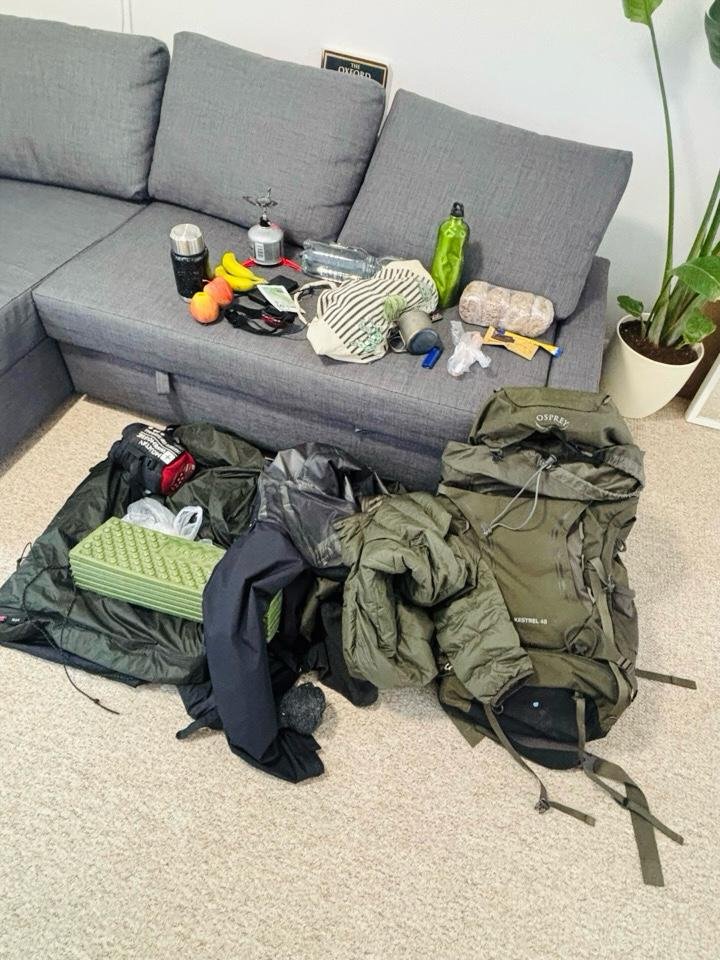
I simply write about why I use and have chosen the equipment I have. My camping is quiet, low profile and I’m usually out for just one night.
After I have parked up, there’s a chance I can walk a fair distance too. So for one night, I don’t need very much, and I can do without the luxuries.
I just need a few bits that quietly get on with the job, and that’s exactly what my current kit does.
My Final Thoughts
I don’t think expensive camping gear is a waste of money. Far from it.
Some expensive equipment is absolutely worth every penny. My Scarpa boots proved that, and so has my Nortent Skjul. But I’ve also learnt that some of the best pieces of camping equipment I’ve ever owned have been surprisingly affordable.
If you’re interested in exactly what I currently carry and why, you might also enjoy reading What I Take on a One-Night Wild Camp.
I am not on an expedition or scaling mountains in winter for days or weeks at a time, spending money on things that aren’t going to improve my nights out is wasteful.
These days I spend far more time looking for somewhere interesting to spend a quiet night outdoors than I ever have done looking for equipment.
That same approach is why I still enjoy simple shelters. If you’re wondering whether a bivvy or a tent is the better choice, I’ve shared my own experiences in Bivvi vs Tent for Wild Camping in England.
For me, that’s what camping has always been about.
Thanks for reading.
Dan

Responses