
Can You Use a Nortent Skjul in Winter?

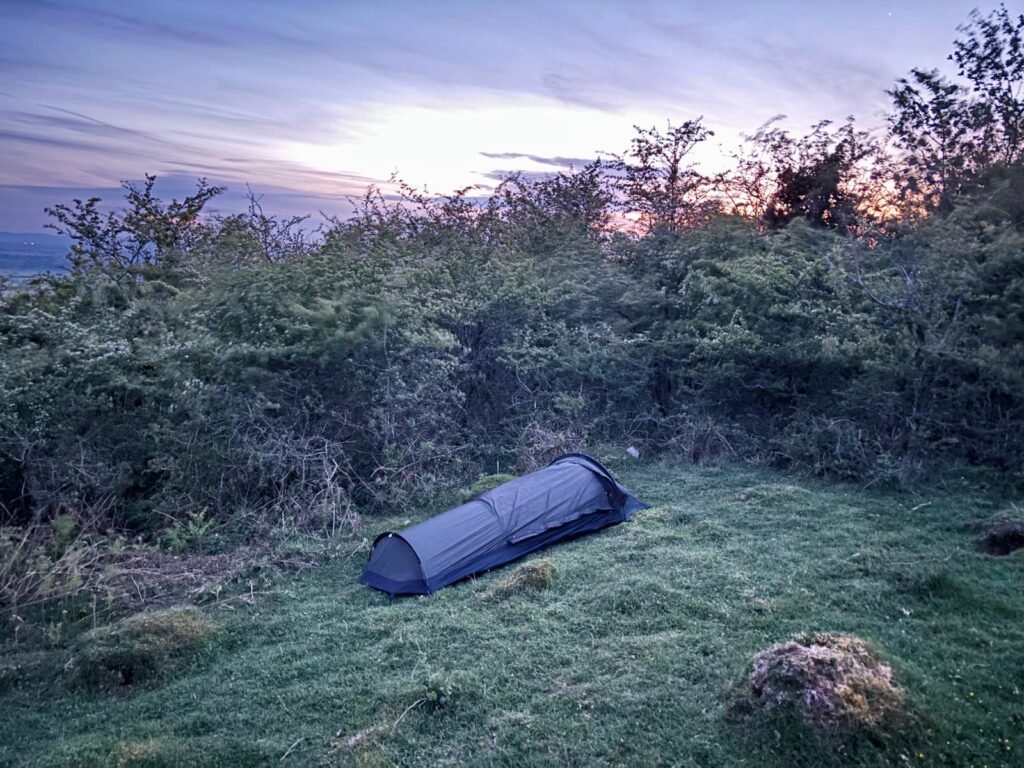
The short answer is yes, of course you can.
But like most things in wild camping, the long answer is a little more complicated than that.
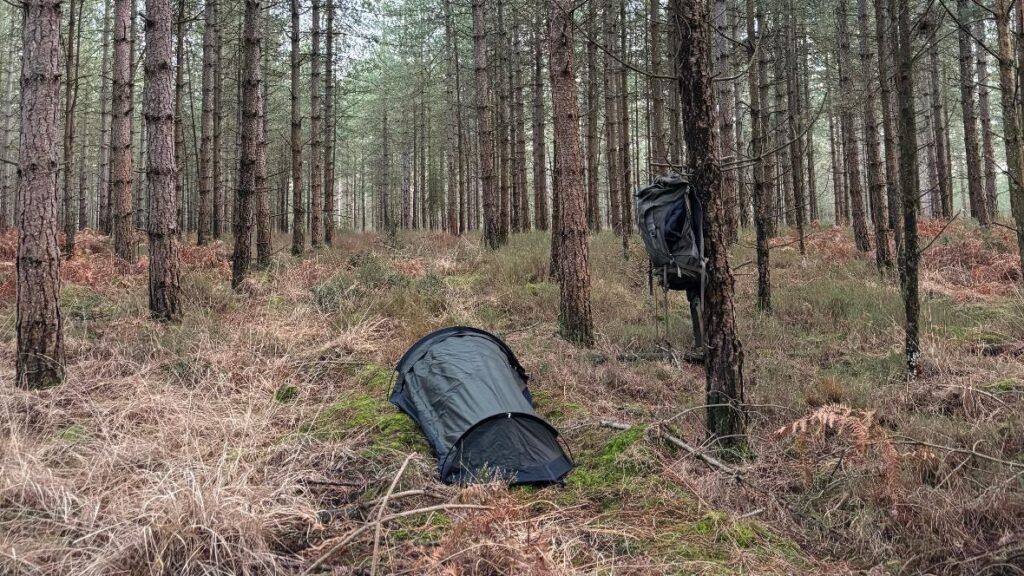
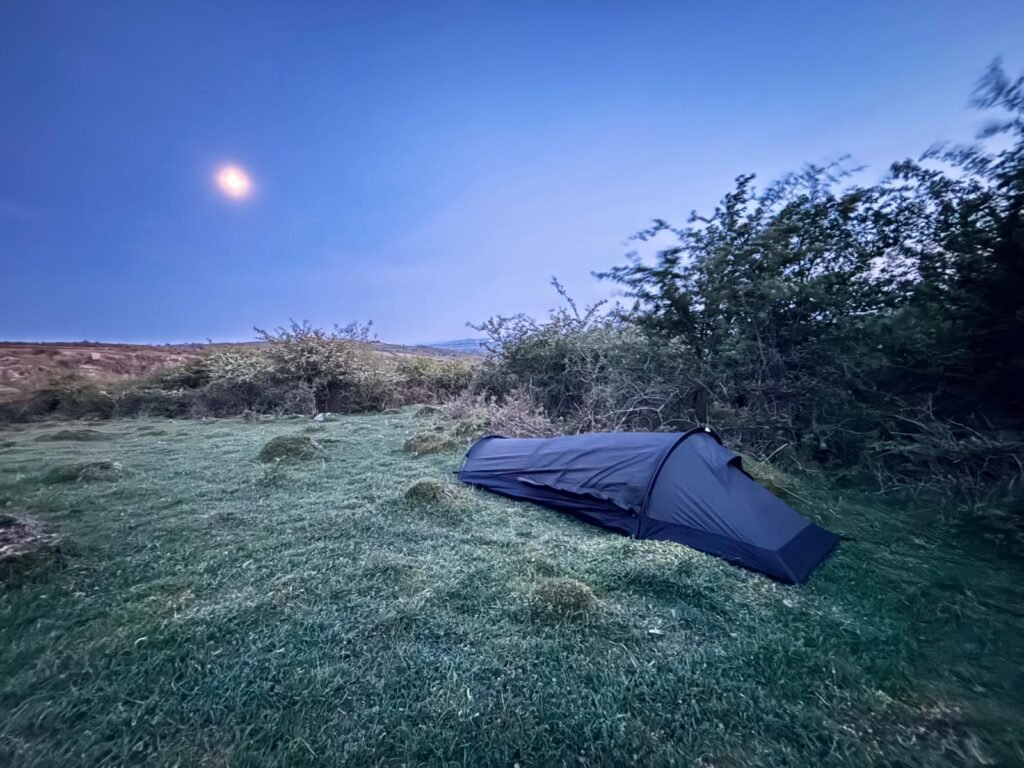
I’ve used the Nortent Skjul in cold British winters, on exposed hills, damp forests and frosty coastal camps around southern England. It has handled the conditions very well, and I am just as happy to use it on a cold winter night as I am on a hot summer night.
But I also think it’s important to be realistic. The Skjul is not a four-season mountain-top tent. It’s a bivvi, and that means it comes with limitations and compromises that you become aware of once the seasons and conditions change.
If you understand those compromises when camping, the Skjul can be an incredible winter shelter. But if you expect it to feel like a spacious four-season tent during a long storm, you’ll probably end up disappointed.
Why the Nortent Skjul Works Well in Winter
The first thing that surprised me about the Skjul was how stable it feels for such a lightweight shelter. The double-hoop design, along with a guideline at each end, help a lot in wind. Compared to the bivvis I’ve used over the years, the Skjul feels far more refined.
The hooped design means the fabric doesn’t sit directly on you or your sleeping bag, which also helps to keep the fabric away from your face. But I have to be honest and say it can flap around quite a bit and become very loud in windy conditions. This is due to the hooped supports being at either end, and no other support in the central areas apart from the guidelines pulling the fabric taut.
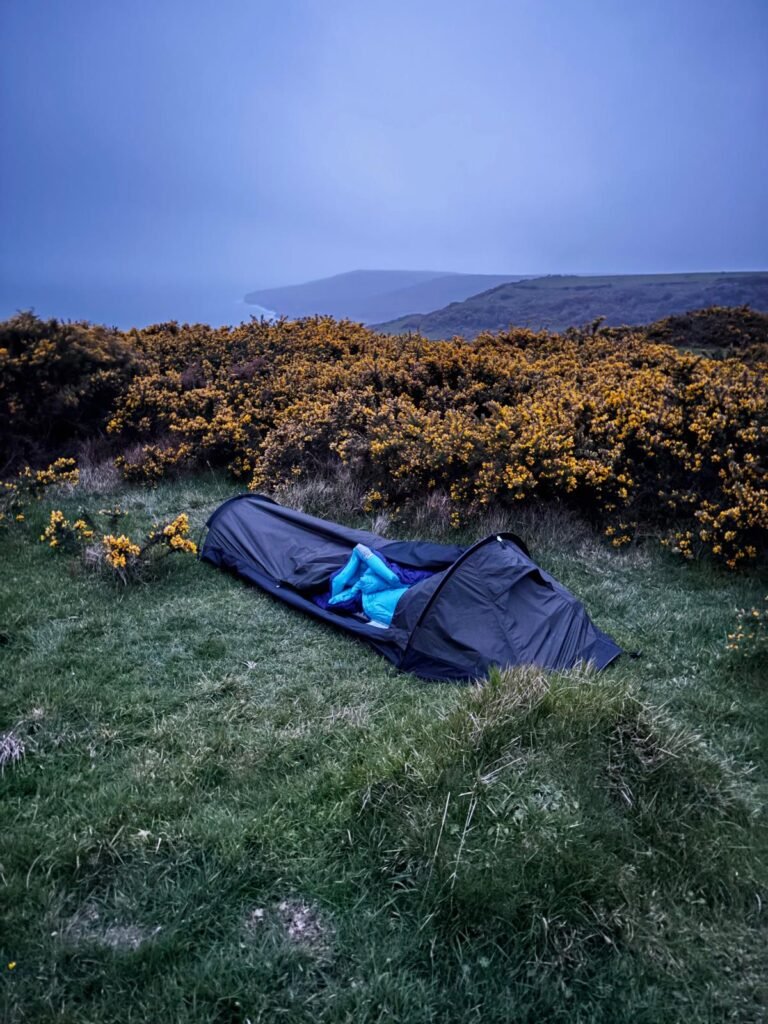
One thing I immediately appreciated was the weight. Winter gear is already heavier. Thicker sleeping bags, extra layers, more food and more gear soon add up to a a noticeable amount of extra weight to carry. The Skjul being lightweight does make a noticeable difference when climbing hills or covering distance, compared to carrying my tent.
Compared to my old Dutch hooped bivvi, it feels like a major upgrade in comfort and practicality. The bug mesh is another great feature I really appreciate.
I go into much more detail about that in my Nortent Skjul review.
That might sound strange in a winter article, but it really helps with ventilation during still winter nights and colder damp conditions. Having good airflow makes a huge difference with condensation. When conditions allow, I like to unzip the shelter to let in a bit more air.
The Reality of Winter Condensation
If you’re looking into bivvi camping for winter, condensation is probably one of the biggest things you should realistically expect. No shelter, especially one the size of a bivvi can avoid condensation.
In fact, it’s one of the main disadvantages of using a bivvi compared to a tent.
Cold damp British air meeting warmer air inside the shelter creates condensation. That’s simply part of camping in the UK and one you’ll never be able to avoid. I’ve had condensation in every shelter I’ve ever owned, from bivvis to tents, and the Skjul is no different. I have even read comments on forums about people complaining about condensation in their expensive four-season tents.
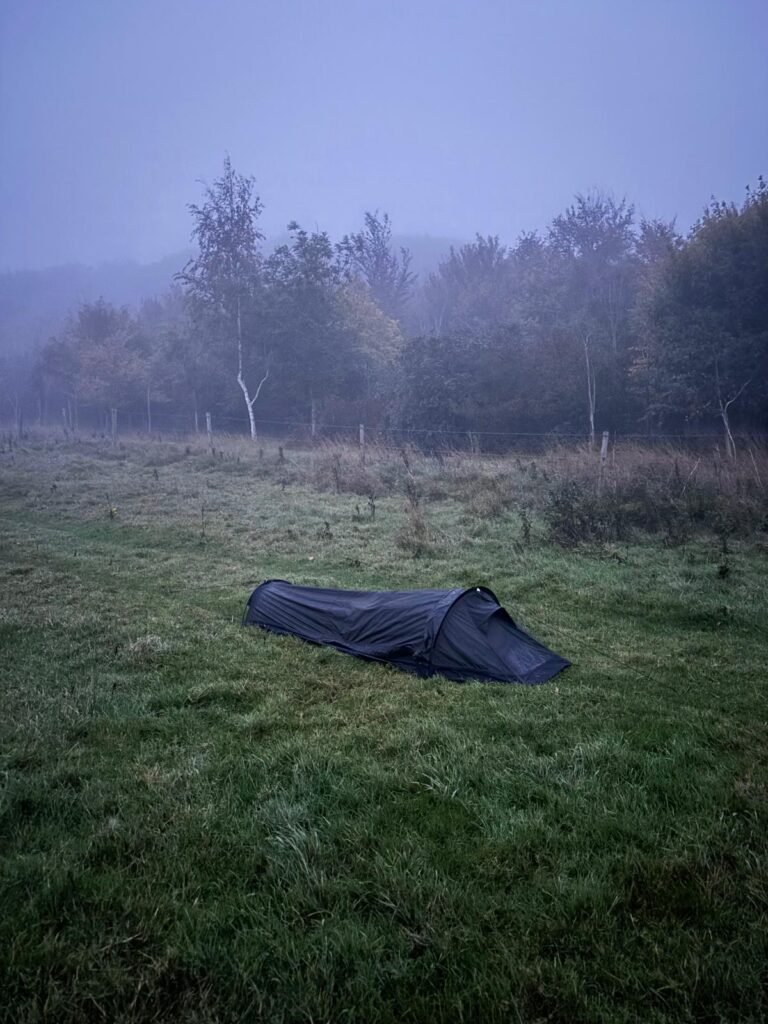
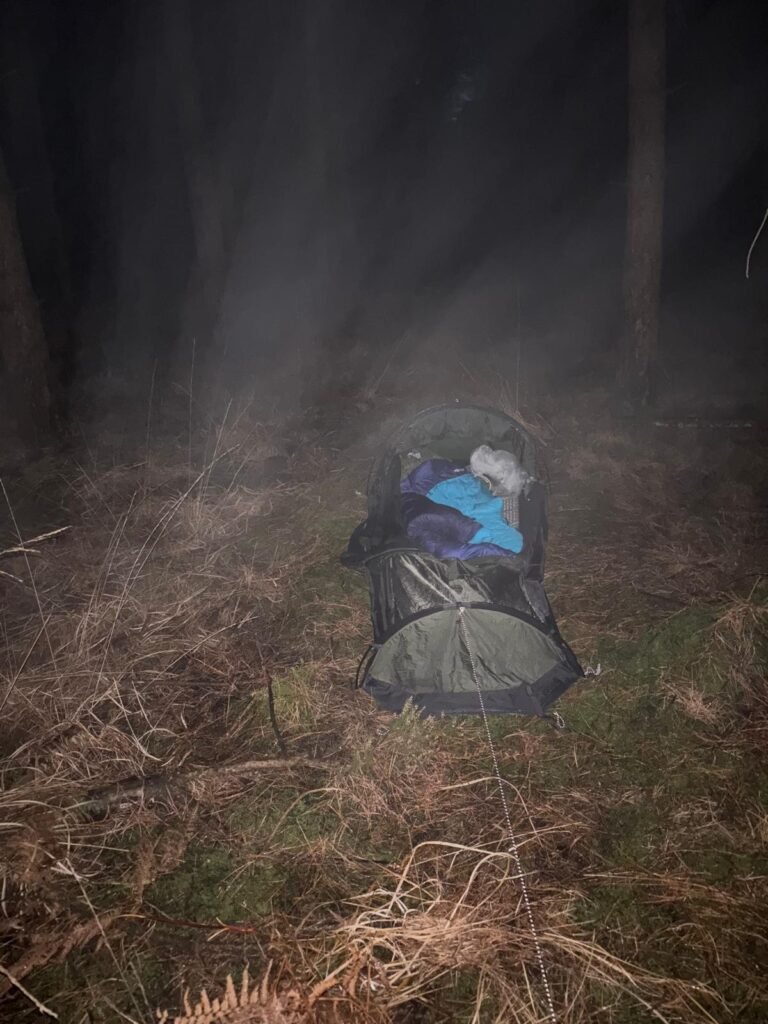
The Skjul does have an opening at the head end to help with air flow, but a thin dusting of moisture builds up on the inside of the fabric. It’s most noticeable around the head area, and you’ll normally wake up with a layer of dampness where warm breath has met cold fabric.
It probably sounds worse than it usually is. I’ve never had serious problems from it. My sleeping bag has occasionally become slightly damp on the outer fabric, but never soaked through or the moisture penetrated. I do want to emphasize that this only happens in the colder, damper months, and never in the warmer months.
The bigger issue is simply accepting that winter bivvi camping is naturally a little damp, and at times, a bit rough around the edges. That’s a trade-off for using a more simple and a lower profile shelter.
Where Winter Bivvi Camping Becomes Difficult
The Skjul is excellent in many winter conditions, but there are limits. Well, they’re actually my limits.
I have not endured a night out in the snow, as there is seldom snow where I live. But the worst conditions are long periods of heavy rain, which can become very uncomfortable. I have learned this the hard way, and I won’t use the Skjul in in those conditions again. It’s not very enjoyable, and it’s absolutely pointless just lying there all night and not being able to do anything.
That is not a criticism of the Skjul specifically. It’s more the reality of bivvi camping in general. Being able to use it in conjunction with a tarp will help, but as I currently don’t have a tarp, I’ll rather use my tent or not go out at all.
During a proper storm, especially one with hours of continuous rain, a bivvi can start to feel restrictive. You’re essentially lying down in the same position for long periods with very little room to move.
You cannot sit up properly. You cannot spread gear out. You cannot comfortably change clothes.
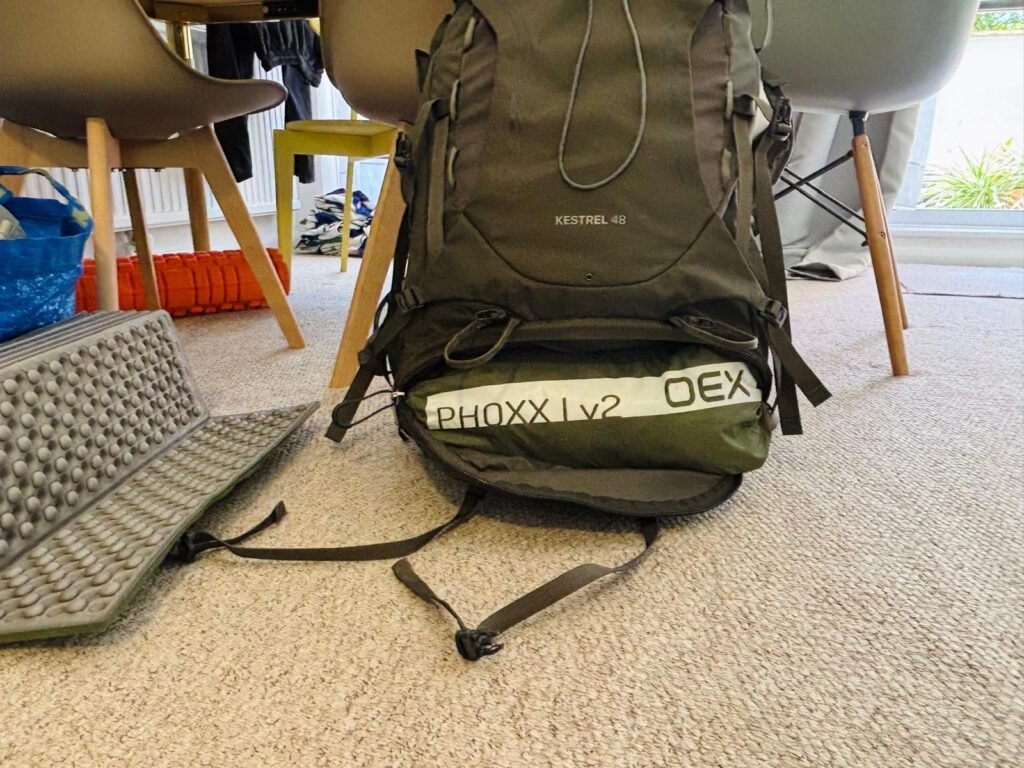
In a tent, even a small one like the OEX Phoxx 1 V2, you have slightly more breathing room. You can organise gear better, separate wet equipment and have the advantage of moving around a little more.
With a bivvi, everything is together. If you enter with wet clothes and gear, the inside quickly becomes wet and humid. You zip the shelter up to stop rain getting inside, but then airflow reduces and warmth builds with the trapped moisture.
This ‘just- lying there’ feeling is probably the biggest downside to winter bivvi camping for me.
It’s not claustrophobia. Just a lack of space.
I still remember rough coastal nights where I simply had to lie there and wait out storms while rain hammered the shelter only inches above my face.
I remained dry. But you also become very aware of how little separates you from the weather outside, and I question why I am out in these conditions.
Wind, Noise and Exposure
Another detail to be aware of is how exposed a bivvi can feel during rough weather. The roof of the Skjul sits only a short distance above your face. In heavy rain and strong wind, you hear and feel everything.
Rain striking the fabric sounds loud, and so does the wind as it batters the fabric. In a tent, there’s slightly more separation from the outside conditions.
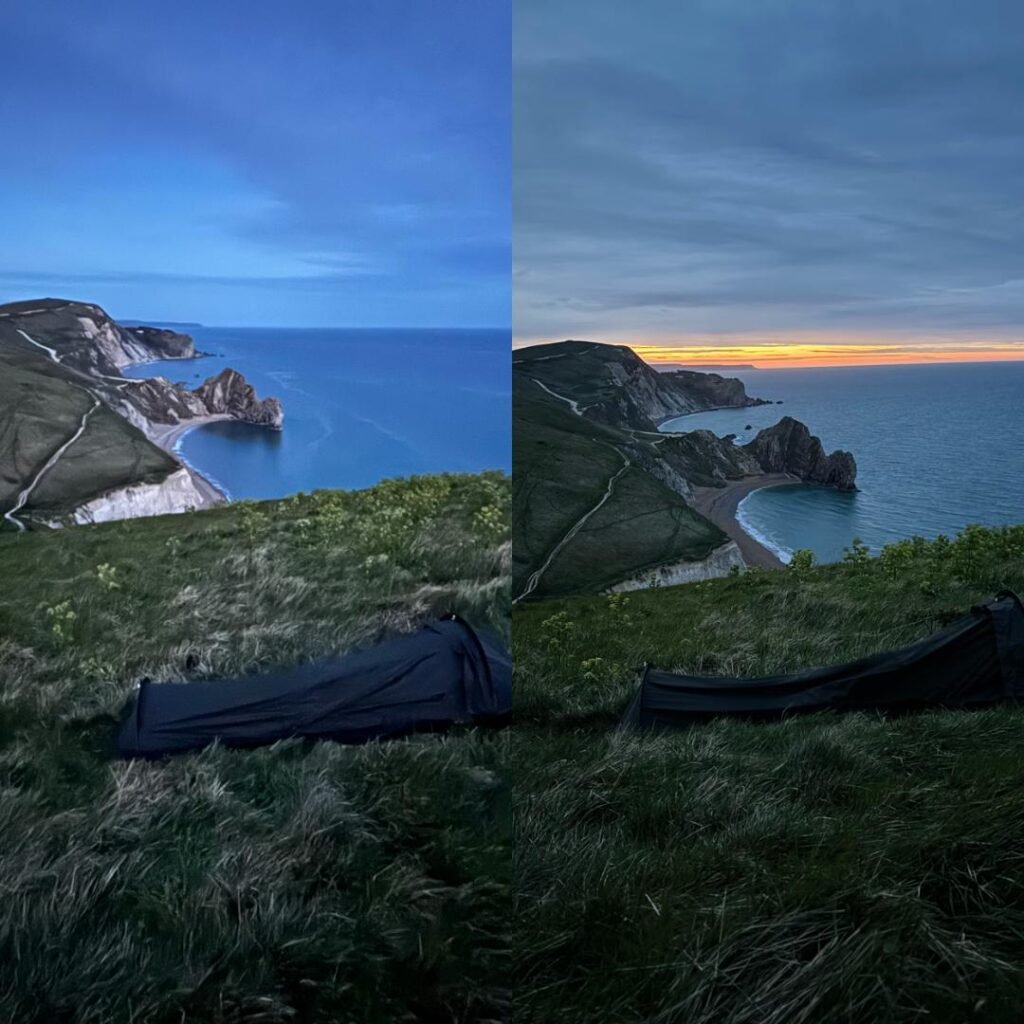
The Skjul handles wind surprisingly well, but like all shelters, the fabric can become noisy in strong gusts. I haven’t had it out in the full force of a storm, but I have been on some exposed places when the winds have picked up and the rain has been relentless.
On one occasion on the Dorset coast overlooking Durdle Door, I wasn’t expection a storm during the night, so I didn’t mind it as I hunkered down for the night and waited to it to pass over. It did mean that I didn’t sleep too well, but it was a good experience and a proper test for the bivi.
If somebody expects peaceful, silent nights during storms, there are really only two options: put up with the noise of the bivvi in the wind, or use ear plugs.
Why I Still Use It Anyway
After reading all that, it probably sounds like I dislike winter bivvi camping. The truth is I don’t. I genuinely love it. Because when conditions are right, the experience is incredible.
Cold clear and still nights in winter are probably some of my favourite camps of all. There’s something special I love about lying low to the ground while frost forms outside, with the dark, clear night sky above.
As there are no biting beasties during the winter, I love to have the Skjul fully opened and feel the cold air and the surroundings. The Skjul feels far more connected to the outdoors than a tent does. You can feel part of the environment you are in.
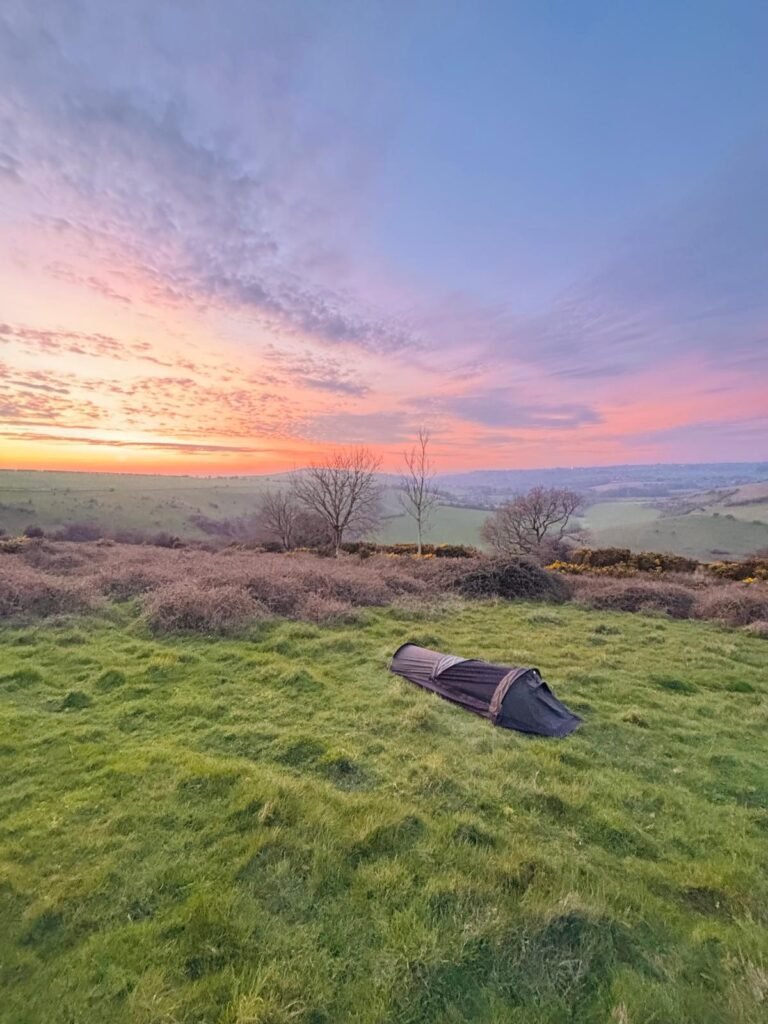
That openness is one of the many reasons I continue to prefer bivvis. A tent feels more like sheltering from nature, whereas a bivvi feels more like sleeping in, and amongst it. That difference is difficult to explain until you experience it yourself.
It’s one of the reasons I eventually wrote about whether I prefer a bivvi or tent for wild camping in England.
The Importance of Choosing the Right Conditions
Over time, I’ve learned a few important things – and I’ve learned some of them the hard way. Just because a shelter can handle something doesn’t always mean it’s enjoyable.
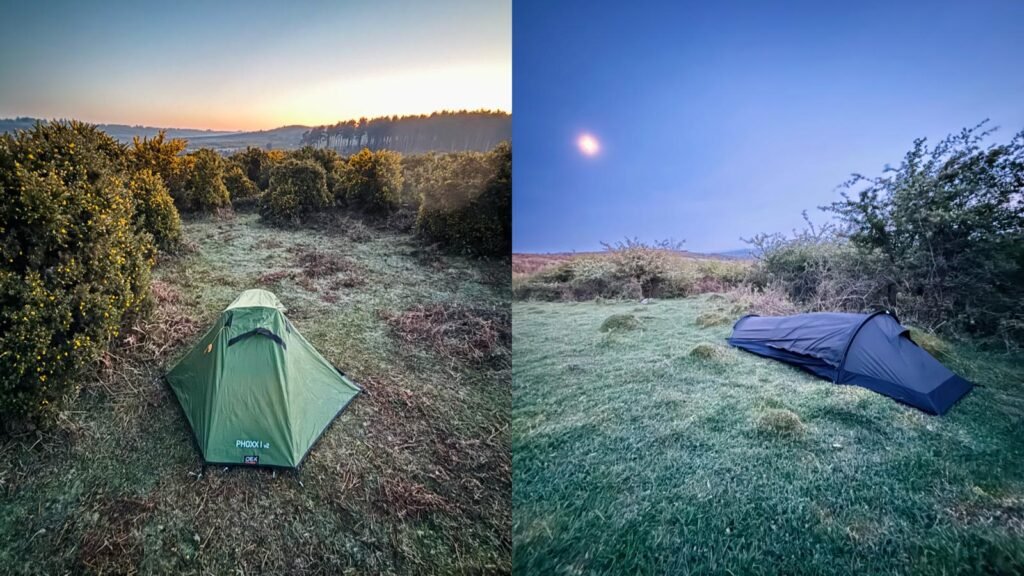
The Skjul can survive rough winter weather. But if I know there will be relentless rain and strong wind for an entire night, I’d rather use my OEX Phoxx 1 V2 instead. The Phoxx gives me more comfort during poor weather.
Despite being a small tent itself, the Phoxx offers more space, more protection, an area to store wet gear and to sit out a storm in more comfort.
The Skjul excels and is really enjoyable when conditions are cold, calm, frosty or reasonably dry. That’s where it shines and when I enjoy it the most.
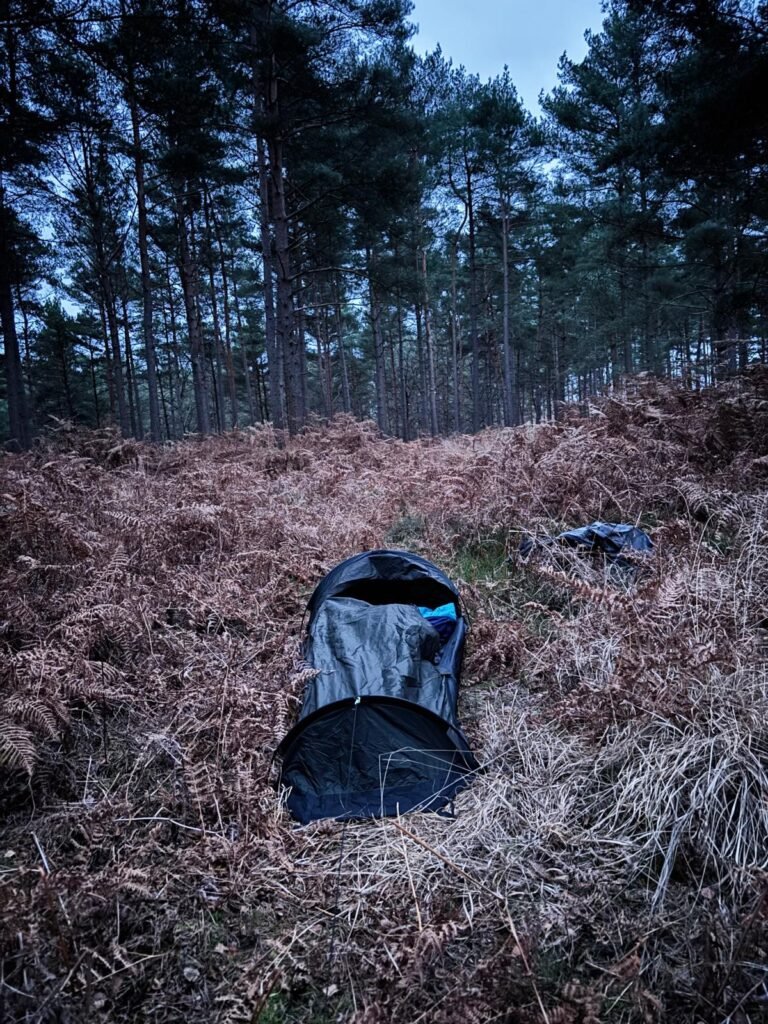
If I eventually replace my old tarp, I think the Skjul paired with a tarp would become a far more capable bad-weather winter system. But on its own, it still remains a bivvi first and foremost.
Is the Nortent Skjul Good for Winter Beginners?
Honestly? Probably not for everyone.
I think beginners often underestimate how different bivvi camping feels compared to tent camping. A bivvi is really a place to sleep rather than a place to live and a place to hang out.
You’re certainly not going to be sitting up comfortably watching films for hours inside. You’re not spreading equipment everywhere, and you definitely won’t be sitting up changing clothes with ease.
Winter makes those limitations even more noticeable. For somebody completely new to camping, especially winter camping, a small tent is probably the easier and more of a forgiving option.
But for people who enjoy simplicity, stealth and a closer connection to the outdoors, the Skjul can be fantastic.
That’s very similar to the way I prefer to wild camp myself.
Final Thoughts
So, can you use a Nortent Skjul in winter? Yes, of course you can.
And in many conditions, it’s great. It’s lightweight, stable, low profile and far more comfortable than all the previous bivvis I’ve owned in the past.
But it’s important to understand what it is. Despite the Skjul being at the more comfortable end in the bivi world, it is not luxury camping.
It’s simple, stripped back and exposed. That simplicity is exactly why I enjoy it so much. Wet winter bivvi camping is rarely comfortable.
It’s sometimes cold, sometimes it’s damp, sometimes it’s noisy, and sometimes, during long storms, it can feel pretty pointless.
But on the right nights – I am talking about the sub-zero frosty hills, quiet forests and calm coastal camps, it creates an experience that feels far more magical than any tent I have used.
For me, that feeling outweighs the negatives.
Thanks for reading.
Dan.

[…] If you’re wondering how my own shelter has coped with cold weather, I’ve written about it in Can You Use a Nortent Skjul in Winter? […]