
Wild Camping in England: What It’s Like at Night

Part of the Getting Started with Wild Camping in England series
If you’ve never wild camped before, this is usually the question people ask first:
What’s it actually like being out there on your own at night?
If you’re completely new to wild camping, start here:
Wild Camping in England: What It Is, Is It Legal, and What’s Expected of You
Quick answer
Like anything you do for the first time, it feels unfamiliar at first. But then you get used to it.
As night falls
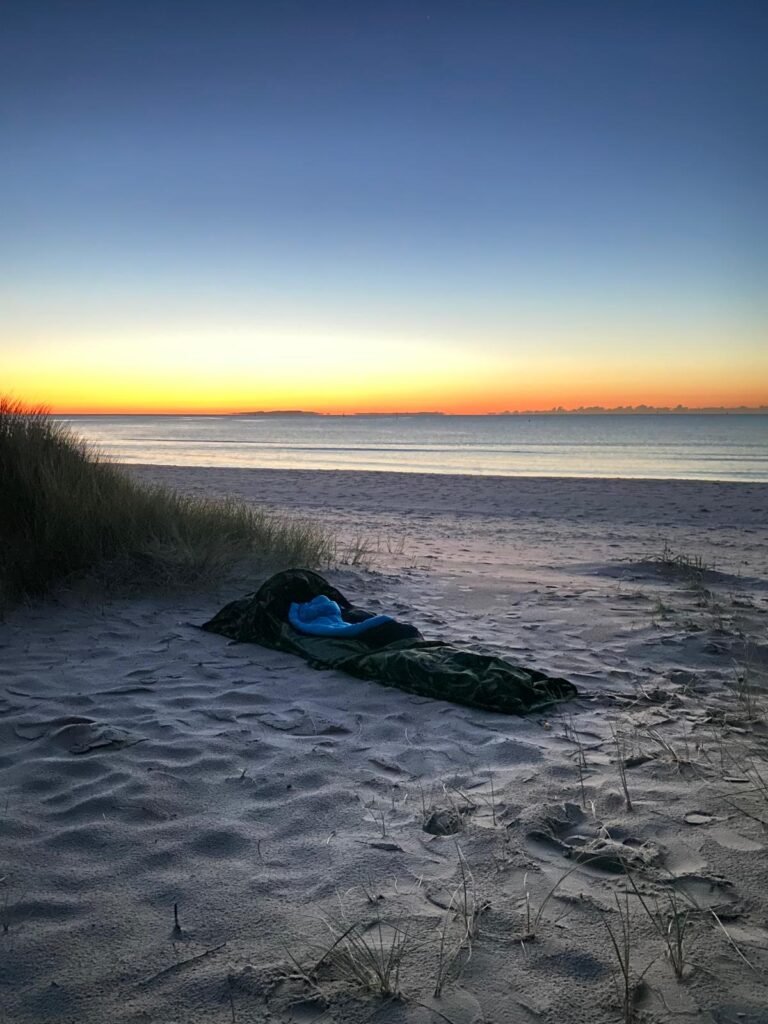
After you’ve set up your shelter, there’s a point where everything starts to feel a bit different as the light fades and the night begins to take hold.
The hum of the daytime noises drop away, replaced by a quieter atmosphere where the sounds are fewer, but less familiar.
The sounds
This is what most people think about.
At night, things sound different. You’re more aware of your surroundings as your senses tune into the fewer sounds that are around. You can really hear the noise the wind makes as it hits the trees, the rustle of dried leaves as they move across the forest floor. But the main noticeable difference is the sound of the animals.
In places like the New Forest, you’ll hear deer calling, and horses moving around. They snort, shuffle and grumble. Some of it sounds close, and sometimes it is. Small animals will wander by, and occasionally come right up to your shelter out to check you out.
I remember one night in the New Forest, I was brushing my teeth when I heard a large thud, followed by deep vibrations through the ground.
I stopped and listened. It felt as though something was moving through the forest and barging everything in its path out of the way.
Then after a while, I felt more vibrations and heard more snaps and stubbles. Into a clearing, and illuminated by the almost full moon came a white horse. It was the same horse that I had seen earlier.
It was comforting to know, that even the locals get it wrong sometimes. But that didn’t stop it from giving me a shock.
The darkness
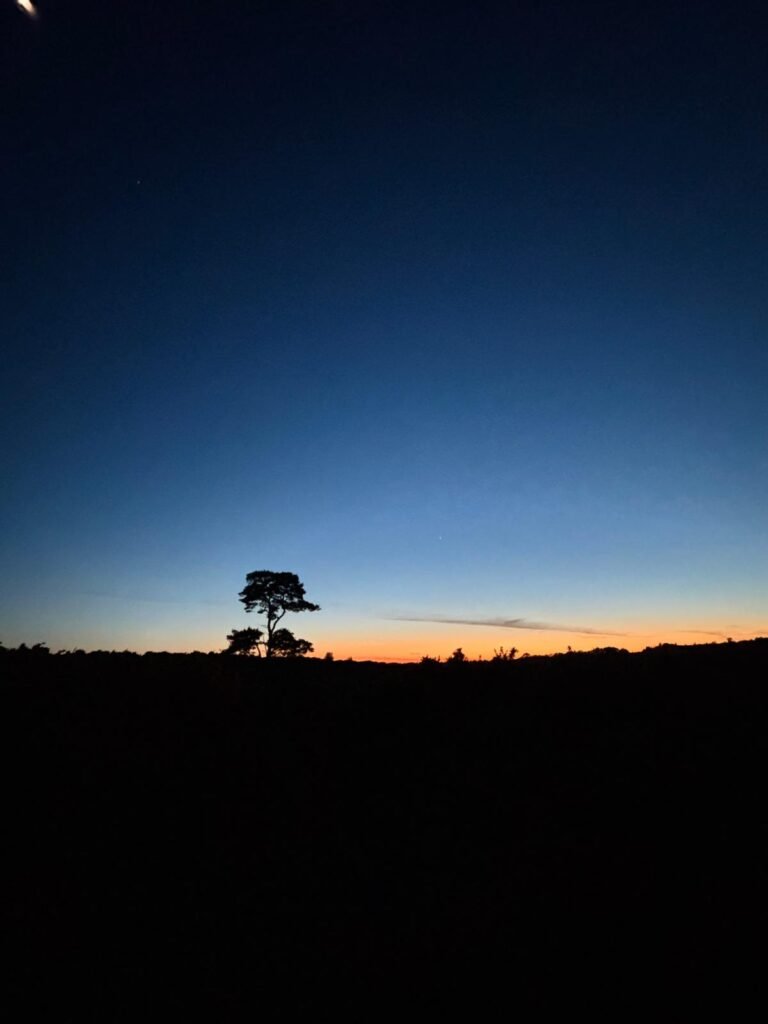
Away from towns and roads, it does get dark. Especially on a cloudy winter’s night.
But most of the time, it’s not as bad as you expect. The dark happens gradually, and your eyes adjust. You will be surprised by how much you can see without needing a torch. I rarely use one.
Being alone
This is the part people think about the most.
There’s no background noise, no people nearby, nothing to distract you. It’s just you and the environment.
At first, that can feel a bit exposed. Not because anything is wrong, but because it’s different.
That feeling doesn’t last.
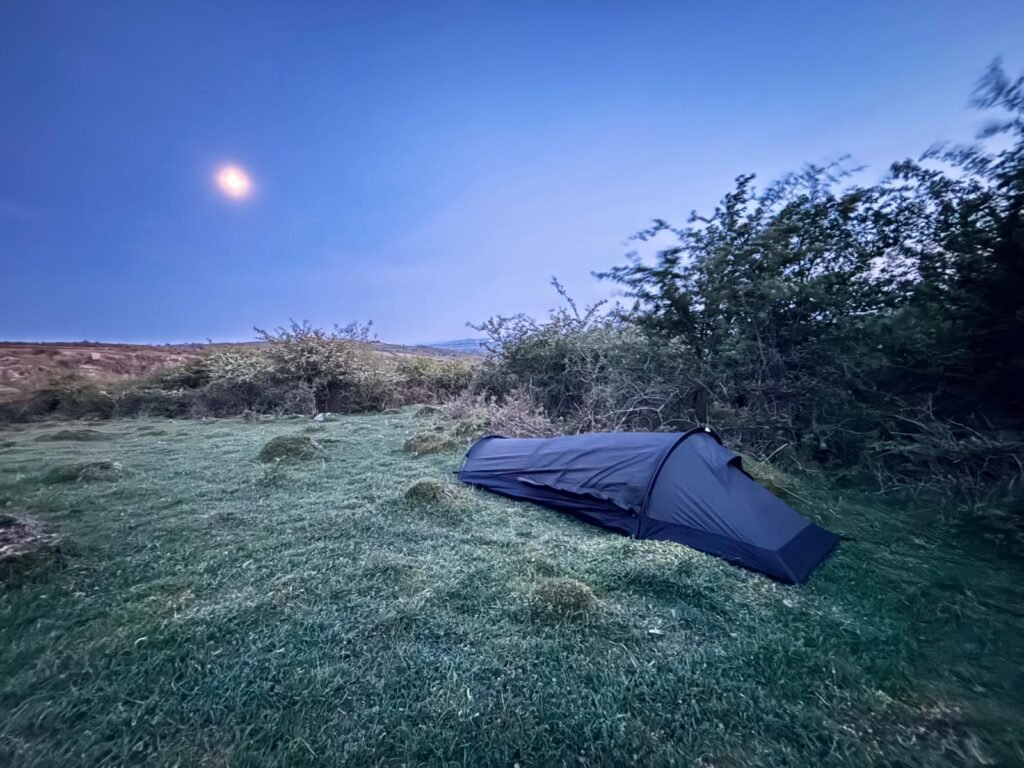
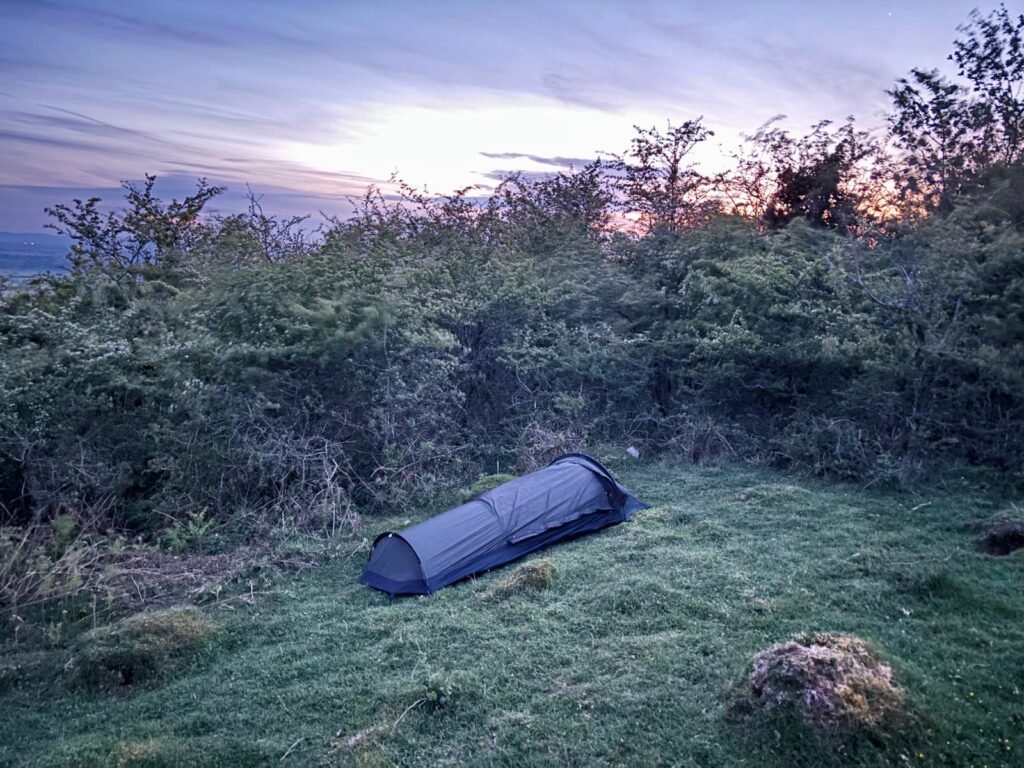
Using a low-profile setup like the OEX Phoxx 1 V2 helps with that, especially in more open areas where staying out of sight matters.
Sleep
You probably won’t sleep as well as you do at home. That’s normal, because it’s not as comfortable and familiar.
It’s no different to staying somewhere new, like a hotel room. You’re in a new environment, and your brain is still switched on and focusing on the noises around you.
Once you settle, it’s like anywhere else – you’ll naturally nod off. And the more you do it, the more you’ll get used to it.
And waking up outside is one of the best parts of it.
What actually matters
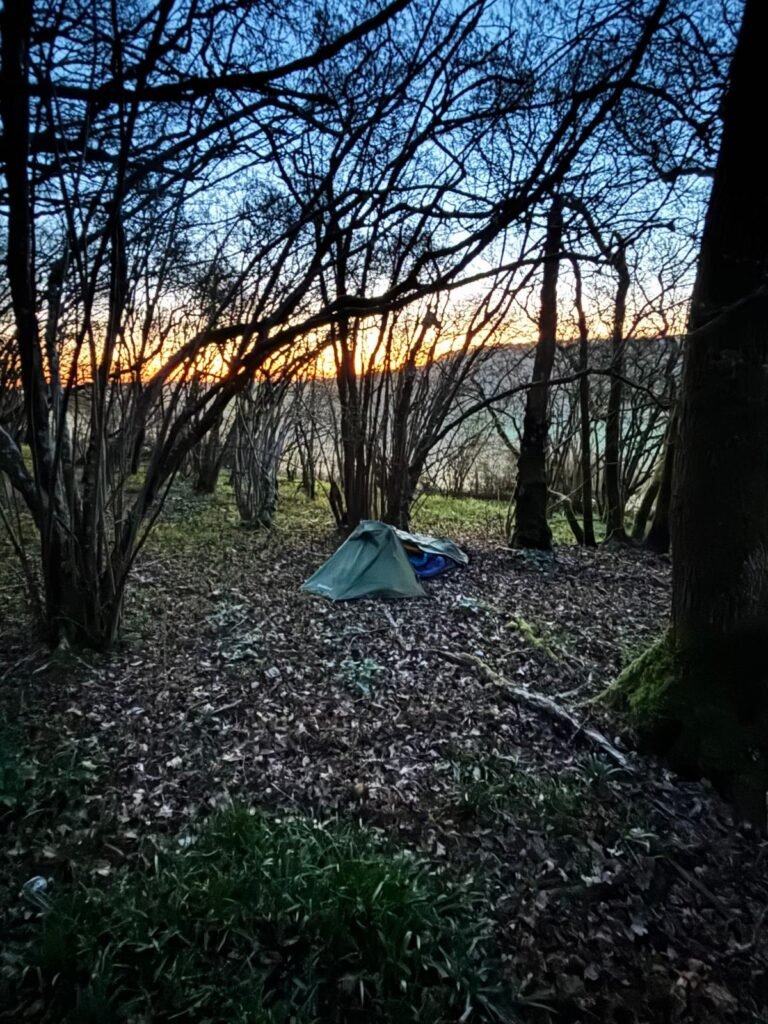
Before your first trip, most concerns are about safety, noise and being alone.
In reality, problems are very rare. Most sounds are unfamiliar, but natural and harmless.
That initial unease fades quicker than you think.
Keep it simple
For your first night out, please keep it simple and don’t over do it. Choose to go in good weather, and pick as spot that’s easy to reach, quiet and not too far away.
Being sensible, not taking risks and keeping it simple will remove a lot of the uncertainty.
Final thought
Wild camping alone isn’t as extreme as it sounds. It’s just unfamiliar to many.
Everything feels odd the first time because you’ve got nothing to compare it to.
Once you’ve done it, it makes more sense. And it becomes something you look forward to.
If you’re getting started, this guide covers what it is, what’s allowed, and what’s expected:
Wild Camping in England: What It Is, Is It Legal, and What’s Expected of You
Please leave no trace.


[…] And if you’re wondering what it actually feels like to sleep outside alone for the first time, read:What It’s Like at Night […]
[…] What It’s Like at Night […]
[…] A low-profile setup like this also changes how camping feels at night, especially in exposed areas where staying out of sight matters: Wild Camping At Night in England […]
[…] If you’re unsure what it’s like overnight, this will help What it’s really like to wild camp alone at night (noise, fear and reality) […]