
Wild Camping in England: What It Is, Is It Legal, and What’s Expected of You

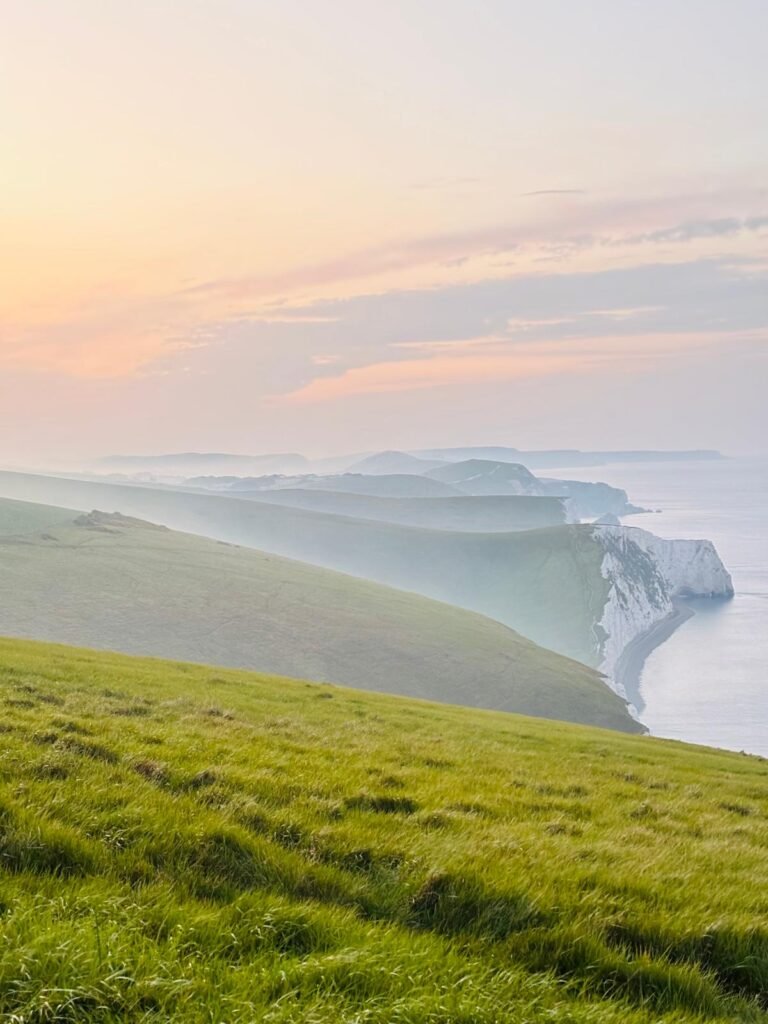
Is wild camping for you? Well – you don’t know until you try. If you’re thinking about wild camping, you’re probably asking a few simple questions:
Like, is it legal? Is wild camping safe? And what’s expected of you when you go?
I aim to answer those questions, based on my real experience wild camping.
What Is Wild Camping?
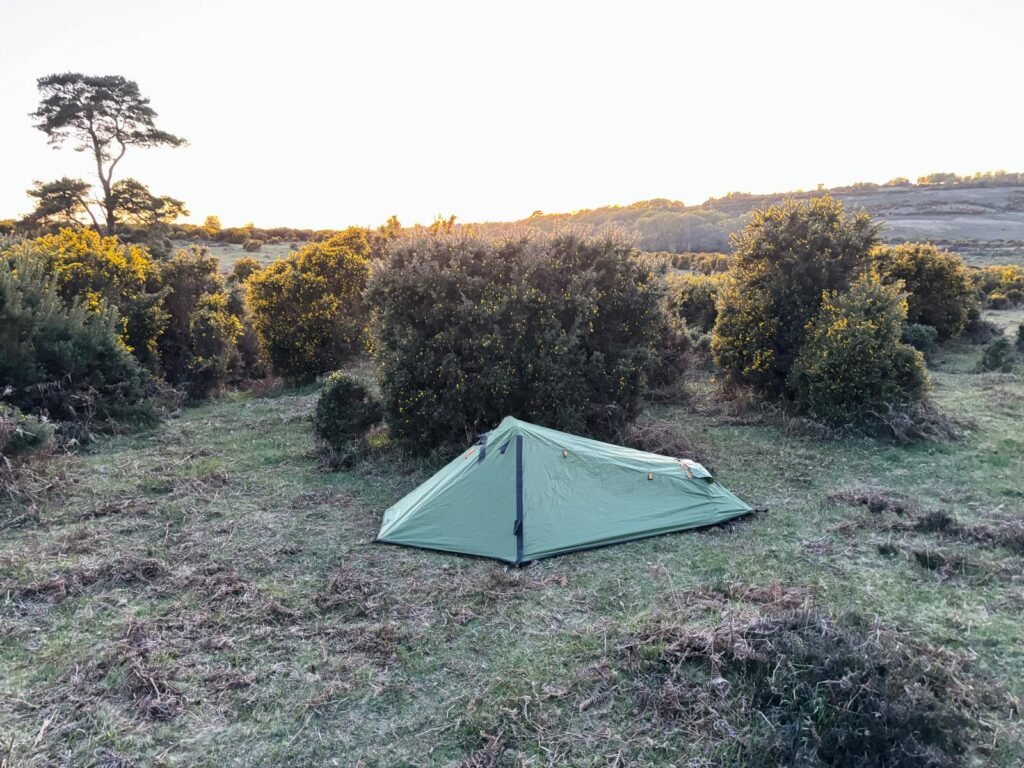
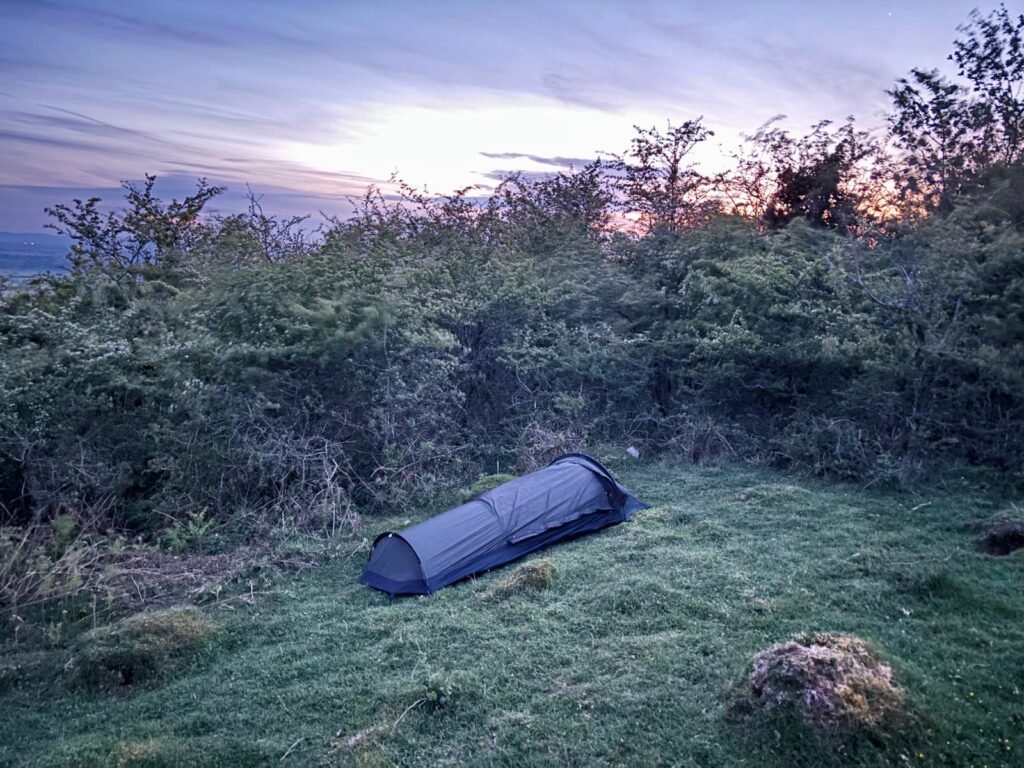
Wild camping simply means setting up a shelter like a tent, and camping away from designated campsites – usually in quiet and remote areas for just a night, without any facilities such as toilets and running water.
It’s Just you and the environment.
Is Wild Camping Legal in England?
Short answer: no – not without permission.
Wild camping in England is generally classed as trespassing, which is a civil matter, not usually a criminal offence (with some exceptions, like Royal or Crown land, government property, national infrastructure and defence sites).
It only becomes a criminal matter if you refuse to leave after being asked by someone acting for the landowner, such as a security guard or estate worker.
Refusing to leave after a clear request can be seen as aggravated trespass or obstruction, which allows the police to intervene and potentially charge you.
What to Do If You’re Asked to Leave
If you are asked to move on, stay calm, be polite and apologise. Pack up your things and leave without an argument. Do not escalate the situation. As long as you haven’t caused damage or made threats, you’ll usually just be asked to move along and that will be the end of it.
Where Is It Allowed or Tolerated (England)?
Dartmoor National Park – allows wild camping in certain areas, but there are a couple of caveats attached to this. These include: arriving on foot, leaving no trace and only staying a maximum of a night or two.
For more information on Dartmoor and the full list of rules covering wild camping on the national park, go to the Dartmoor National Park website.
Lake District National Park – where wild camping is tolerated, but not legal. Again, there are a few conditions attached to this.
They include: camping high up on mountains and hillsides – above 400 metres, and away from any villages and dwellings, staying only a night or two, no fires and leaving no trace and taking everything you brought in, away with you.
For more information and the full list of rules, please check out the Lake District National Park website wild camping page.
Always check current guidance before going.
What’s Expected of You?
This matters more than anything.
Wild camping only works if people behave responsibly.
Leave No Trace
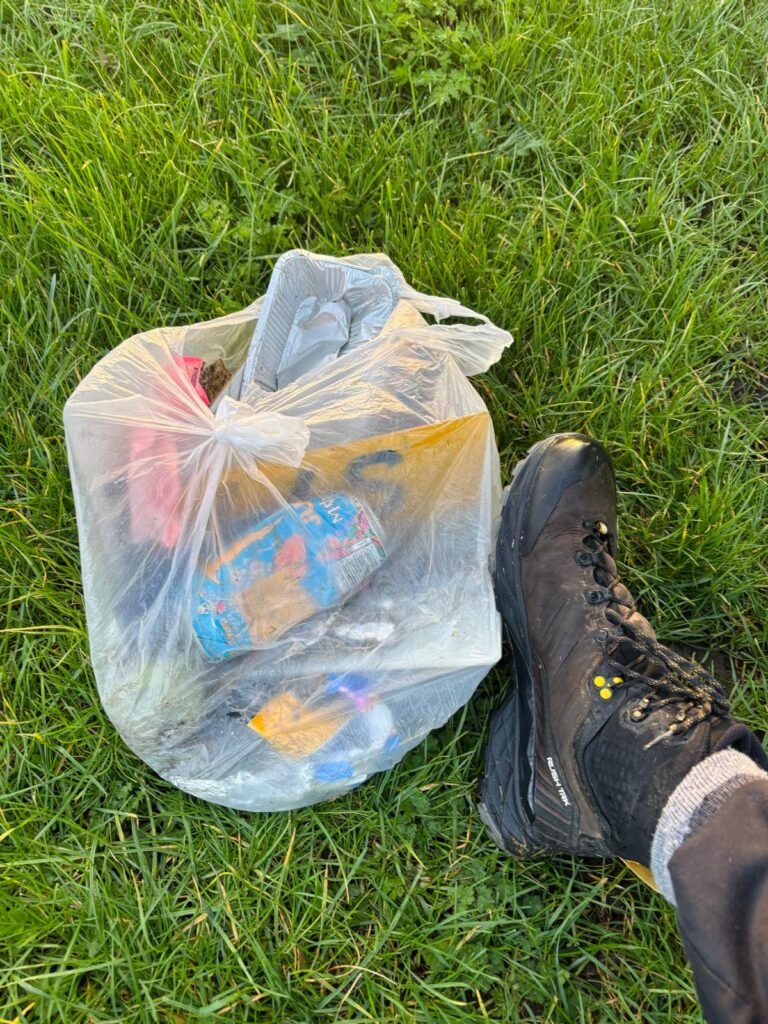
You’ve probably heard of this already, but it’s worth repeating again. Leave absolutely nothing behind: no litter, no food scraps, no toilet paper – nothing.
Take everything home with you.
Respect the Land
Stick to small, discreet camping spots. Avoid camping on farmland or private land without permission. Don’t trample sensitive plants or disturb wildlife and always adhere to any warning signs or fenced off and protected areas.
This is especially important during the nesting season which usually occurs between the months of March to August.
Follow signs. They’re there for a reason.
Picking a Spot
Choose places where you can blend in, somewhere away from any dwellings, covered by woodland or high on hills. Avoid any spots that are out in the open, where you’re likely to be spotted.
Be Quiet, Be Considerate
Keep noise to a minimum. Don’t play music or light big fires and sing and dance. This will help keep you undetected and not disturb anyone.
Remember that you are a visitor and a guest in that place.
Arrive Late, Leave Early
This is a great rule and one that is very effective. Arriving as late in the day as possible before setting up camp, then leaving early in the morning.
This will not only reduce your chances of being moved on, but it will minimize your impact and disturbance and help keep wild camping tolerated for everyone else.
If you can, leave the spot better than you found it by picking up any litter you come across.
Fires and Stoves
Please avoid campfires unless you absolutely know it’s safe and allowed. If you need to cook, then please use a camping stove, but only if it’s really necessary. If you are not experienced, and have any doubts, please do not use one at all.
Fires and camping stoves can damage the ground and risk wildfires, especially in summer. Please follow any warning signs, and if it states ‘No Fires’ – then please no fires. I cannot emphasise the dangers of fires enough and the importance of being careful, especially in the drier summer months.
Is Wild Camping Safe?
Generally speaking, yes, but it’s not risk-free. In most cases, you’re far more likely to run into issues with terrain, weather or your own decisions than anything else.
Think about your own safety. Accidents and medical emergencies pose the biggest threat. Know where you are and know your limits, tell someone where you’re going, and take enough food, water and suitable kit for the conditions. Don’t take unnecessary risks, especially if you’re new to it.
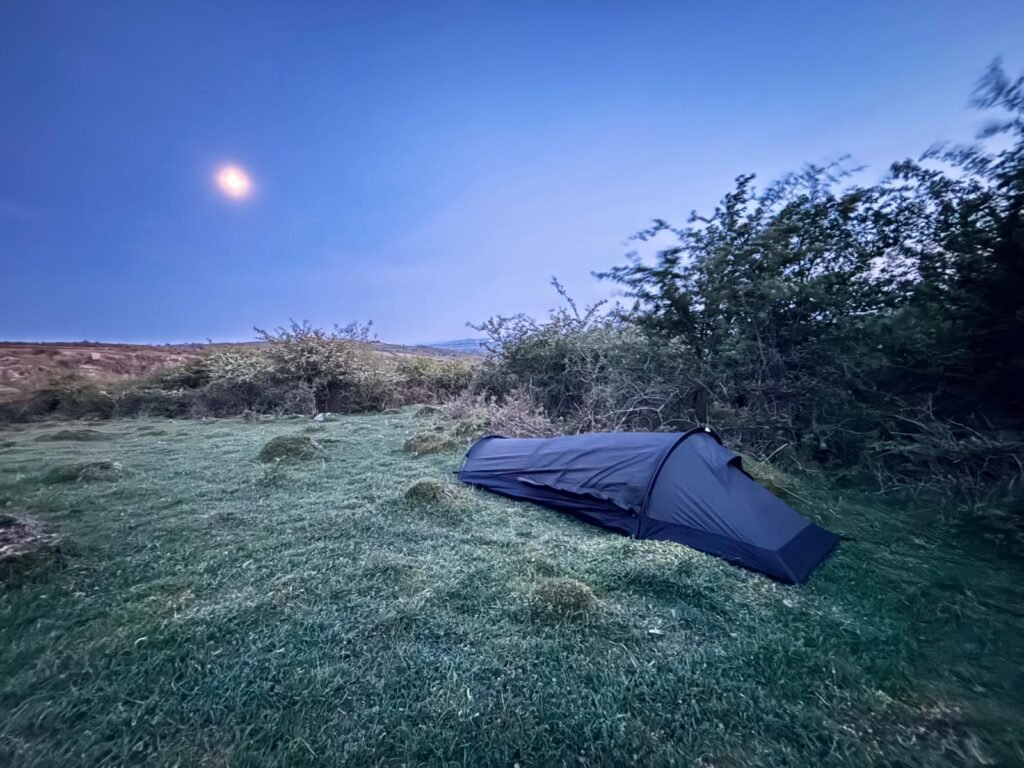
If you’re unsure what it’s like overnight, this will help What it’s really like to wild camp alone at night (noise, fear and reality)
What If You Want a More Comfortable Option?
Legal Wild Camping
There are two further options that are available if you want to experience all the wonders of wild camping, without the risk.
Ask for Permission
It may be worth approaching the landowner to ask for their permission to wild camp on their land. If you are lucky enough to be given permission, it will still be considered wild camping, but it will not be trespassing. You will have a worry-free night under the stars, without fear of being moved on.
Almost Wild Camping
They refer to a wild camping experience, but on private land and with the permission of the landowner. These pitches need to be booked for a fee, but it will give the camper an experience similar to that of a wild camping, but with the knowledge that you are not trespassing.
Final Thoughts
Wild camping is amazing, but it comes with responsibility. We have a responsibility to the communities in these areas, to the environment, the wildlife and future visitors.
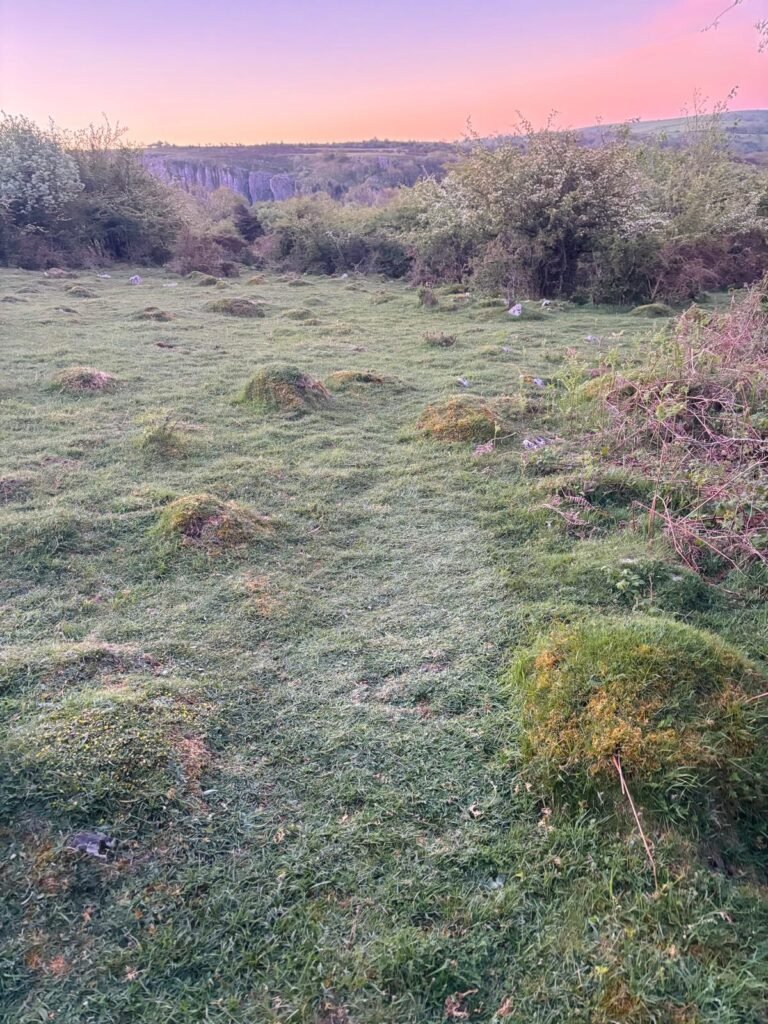
So please behave and be considerate, and let’s not spoil it for everyone else.
You’re a guest in that environment – and how you behave affects whether others can enjoy it in future.
If you’re just starting out, this next guide will help Wild camping kit for beginners (cheap and simple setup)
Please leave no trace.

[…] https://ourscapes.com/wild-camping-england/If you’re completely new to wild camping, start here:Wild Camping in England: What It Is, Is It Legal, and What’s Expected of You […]
[…] If you haven’t already, read Wild Camping in England: What It Is, Is It Legal, and What’s Expected of You. […]
[…] Wild Camping in England: What It Is, Is It Legal, and What’s Expected of You […]