
Is Bivvi Camping Better Than a Tent?

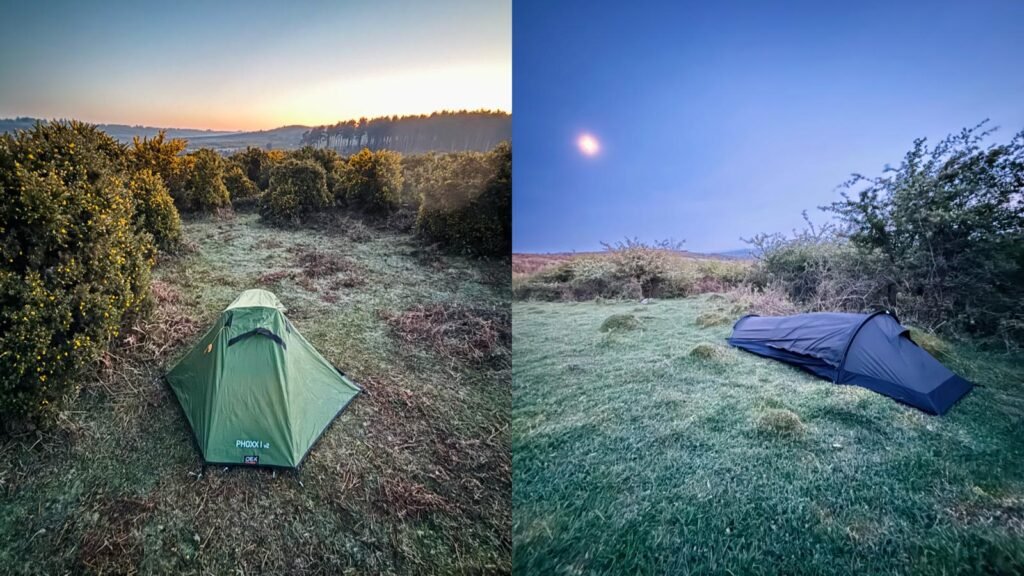
If you’ve spent any time looking into wild camping, you’ll have probably come across the discussion of bivvi versus tent.
Some people swear by bivvis and wouldn’t use anything else. Others think they look like uncomfortable coffins and can’t understand why anyone would want to use one over a tent.
Having used both for many years, I don’t think either is better. What I do think is that they are different. The question shouldn’t be whether a bivvi is better than a tent, but whether a bivvi is better for you.
Why Some People Prefer Bivvis
For me, the two biggest pulls of a bivvi are simplicity and stealth. There is less of everything in a positive way: less material, less structure, less visible and less separation between you and your surroundings.
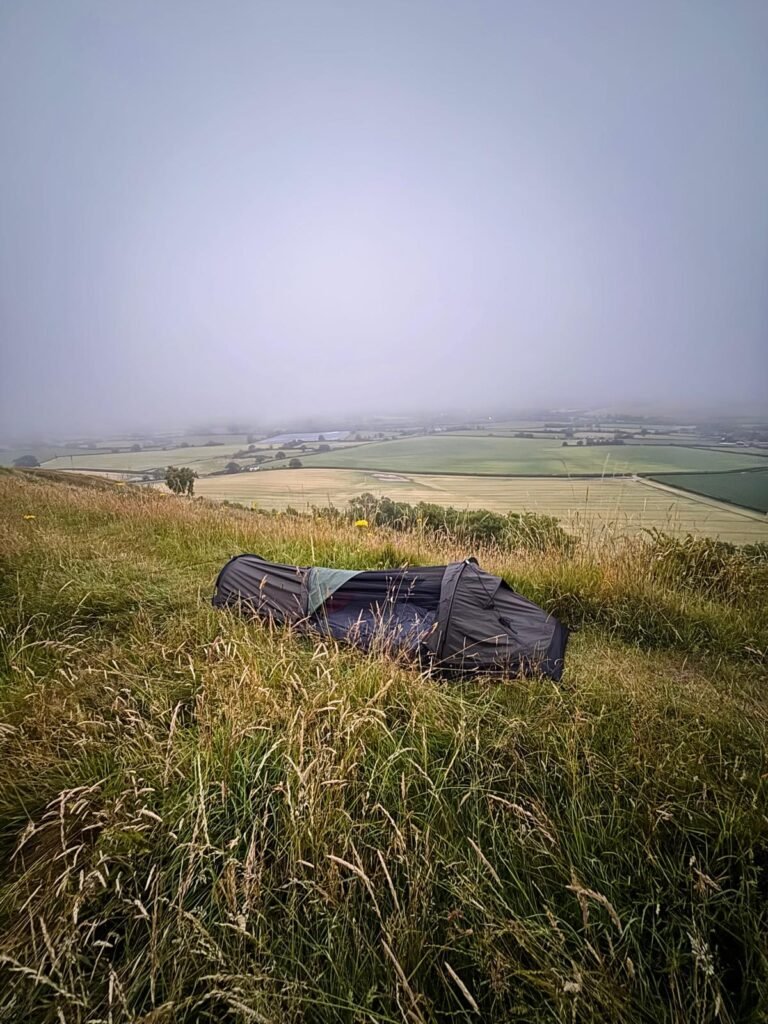
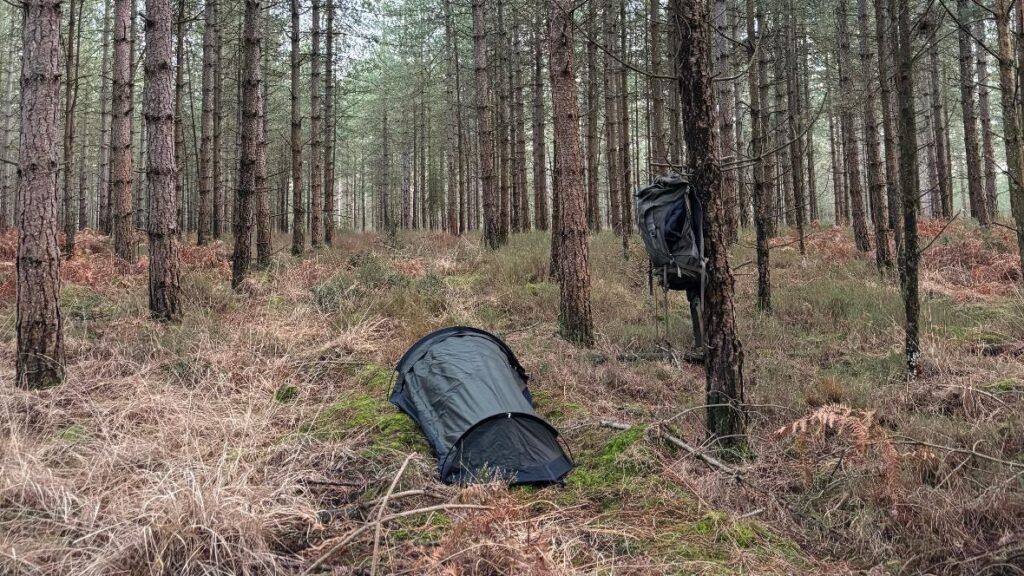
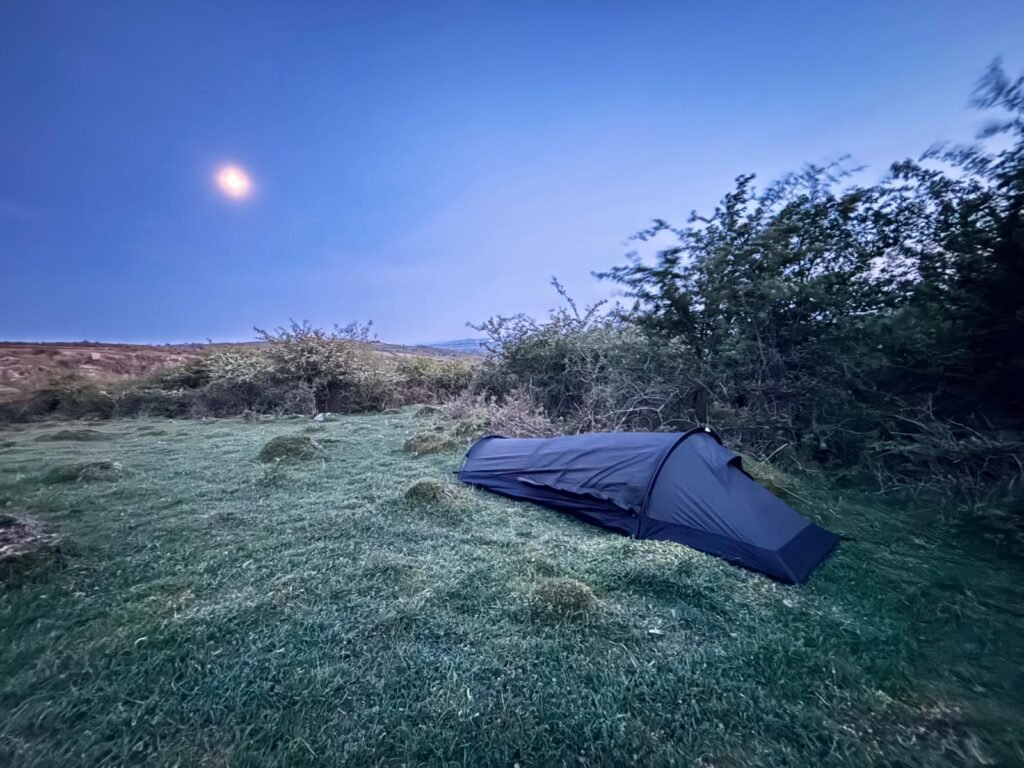
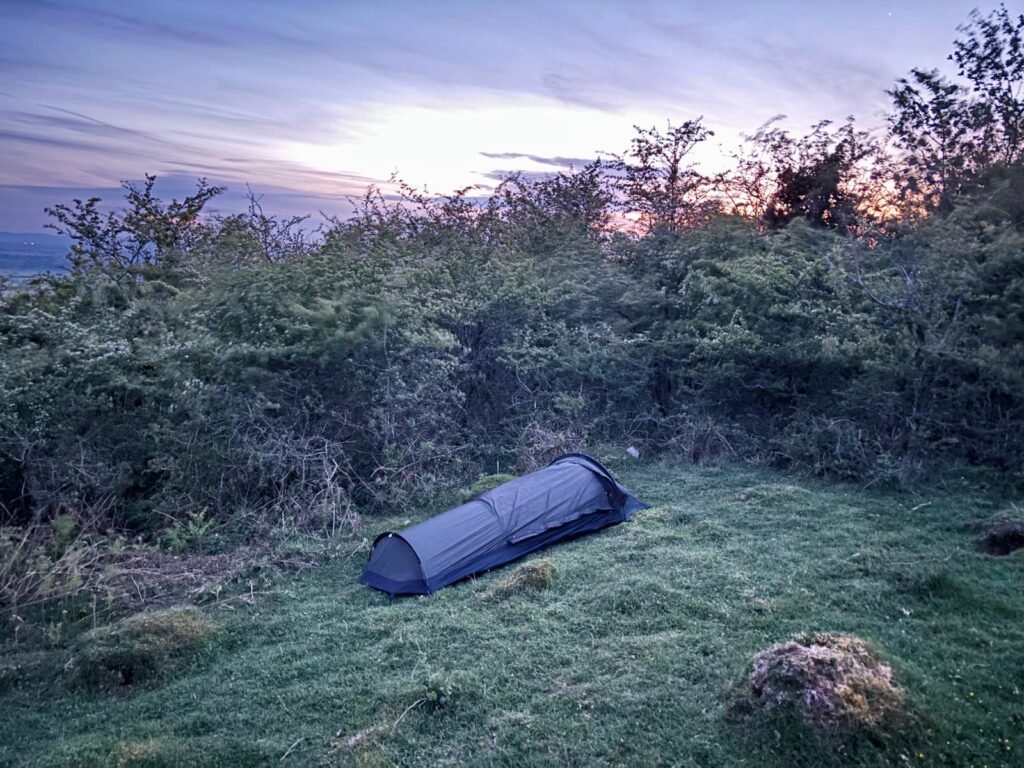
A bivvi is lightweight, quick to set up and takes up very little space. A big advantage is its long, narrow shape can fit into places where even a small tent couldn’t.
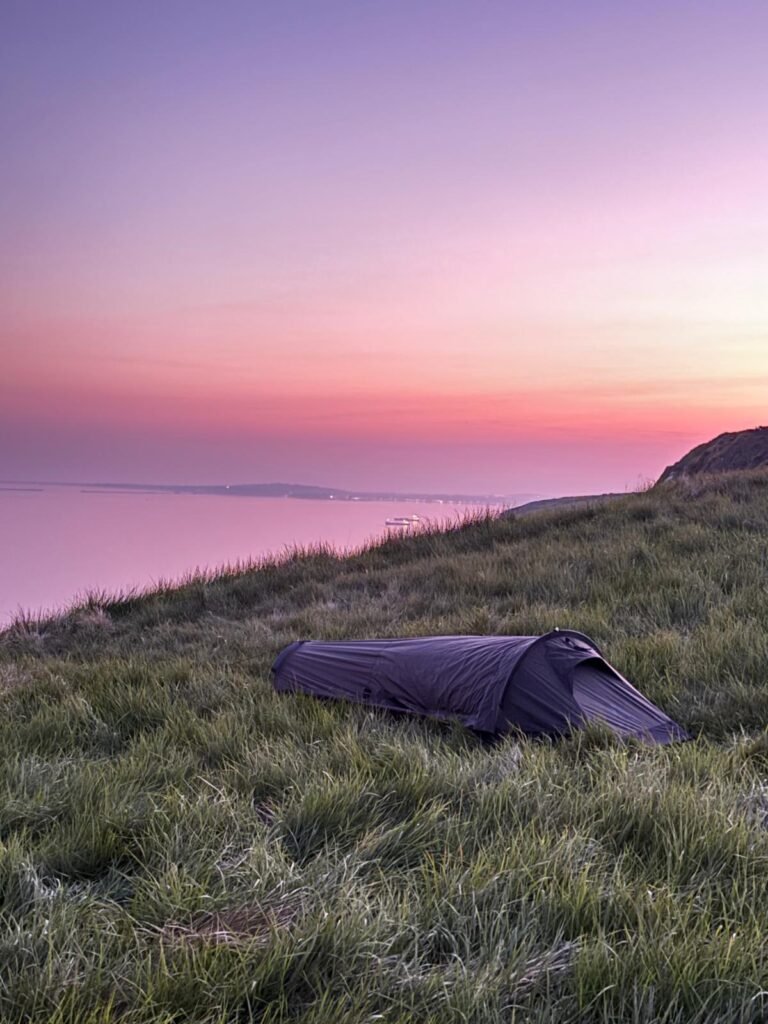
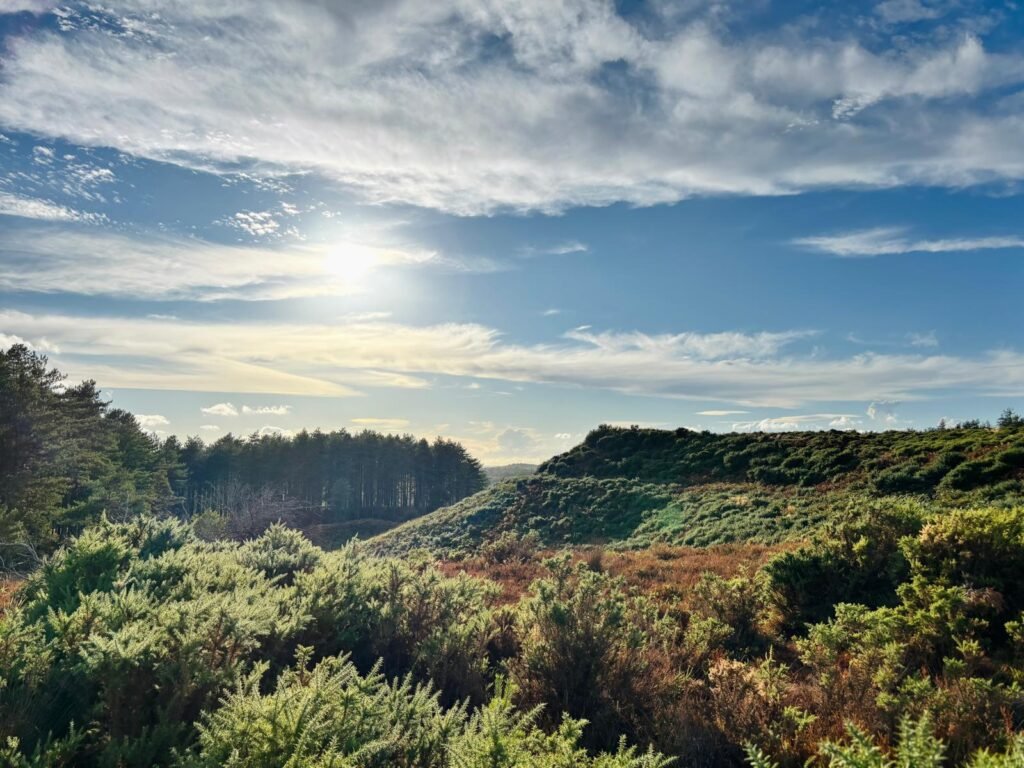
That is one of the reasons I really enjoy using them. Many of my favourite camps along the Dorset coast wouldn’t have been possible with a tent. Some of the locations were narrow paths, small clearings or awkward patches of ground where a bivvi fitted perfectly into the spot and the landscape.
For people who value stealth and travelling light, bivvis make a lot of sense. I also enjoy the connection a bivvi gives me to the outdoors.
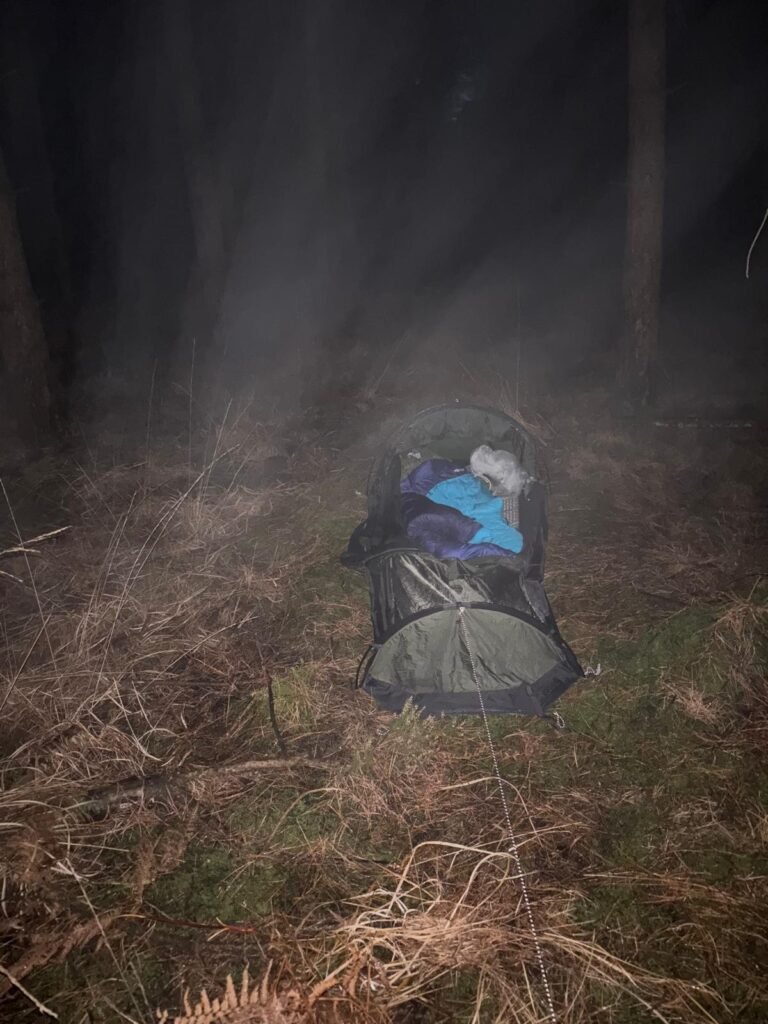
My Nortent Skjul, with its large bug mesh, gives me this wonderful feeling of the outside being brought inside. You can lie there looking up at the stars while remaining protected from biting beasties. A tent feels more like sheltering from nature, whereas a bivvi feels more like being part of it.
Why Some People Prefer Tents
I think the reasons are pretty obvious. There’s no denying tents are more comfortable, and they have many advantages over a bivvi, of which space is the biggest. There is more room for gear, which allows better organising of equipment. This is a huge bonus during bad weather, making it easier to change clothes and separate any wet clothes and gear from where you sleep.
When the rain starts in the evening and doesn’t stop until morning, a tent gives you more in the way of comfort. You have more space to move around, sit up, prepare food and organise gear.
In the same conditions, a bivvi becomes a very different experience. Being able to do the same tasks in a bivvi becomes a lot more challenging, and even impossible. You are lying down and waiting for the weather to pass.
That’s one of the biggest disadvantages of bivvi camping and something I’ve spoken about before.
I explored this in more detail in What Are the Disadvantages of a Bivy Bag?, where I look at some of the compromises that come with travelling light.

Is a Bivvi More Comfortable?
No. Well, usually not. Anybody who says a bivvi is more comfortable than a tent is probably stretching the truth a little. A tent offers more living space and with that comes more comfort. A bivvi wins in other areas.
It is lighter. Smaller. Less noticeable. Quicker to set up. But comfort usually belongs to the tent. The reason I still use bivvis isn’t so much for the comfort, but because I enjoy the experience more. Those are two different things.
What About Bad Weather?
This is where tents excel. I’ve spent stormy nights on exposed hills and coastal locations using both shelters. A bivvi does a good job of keeping you dry, but that isn’t the issue.
The real issue is being confined for hours in a small space. If it rains all night, you are pretty much lying down and waiting it out.
Despite the bivvi having a vent, it can become humid. Exiting and entering during heavy rain, or setting up camp with wet clothes, means you’ll end up with wet gear sharing the same small space.
It’s possible to work around it a bit by bagging up wet things. But it’s not that enjoyable.
A small tent like the OEX Phoxx 1 V2 gives you a little bit more room and comfort when the weather conditions turn.
So Which One Is Better?
For me, it’s neither. I use both, but I choose the shelter to match the camp. If the conditions are going to be dry, and the location calls for a little bit of discretion, then I’ll go with the bivvi every time.
If the weather is going to turn with rain and strong winds, then it will be the tent.
They are two different tools for different situations, and the answer depends entirely on where you’re going, and your preference for that camp.
If you’re interested in my personal preference, I covered that in Bivvi vs Tent for Wild Camping in England – Which Do I Prefer?
My Personal Choice
If I could only keep one shelter, I’d keep my Nortent Skjul.
I’ve spent a lot of nights using it over the last year, which is why I wrote this Nortent Skjul Review (UK Wild Camping Test) based on real camps rather than first impressions.
Not because it’s perfect, because it isn’t. No shelter will suit all conditions and requirements. A bivvi has limited space, but that is something that doesn’t bother me unless there’s bad weather.
But it suits the way I like to camp. I enjoy quiet camps, hidden away from view, with as little impact as possible. And for those reasons, the Skjul fits that style perfectly.
That approach is something I talk about in The Way I Wild Camp – Quiet, Stealth and Low Impact, where I explain why discretion and leaving as little trace as possible are important to me.
That’s why I keep using it and enjoy using it.
Final Thoughts
Is bivvi camping better than a tent? For some people it is. But for others, it won’t be. A tent will usually be more comfortable, but a bivvi will usually be simpler and more discreet.
Neither is right or wrong. They are just different. They offer different experiences and excel in different conditions. The best shelter is the one that suits the way you enjoy being outdoors and the way you camp.
For me, that happens to be a bivvi. But I still keep my tent ready and on standby for when it’s right.
Thanks for taking the time to read this.
If you have any questions, feel free to get in touch through social media or the contact page.
I appreciate you taking the time to read this and I’d genuinely like to hear your thoughts and experiences with bivvi camping too.
Thanks again,
Dan.
Responses