
What Are the Disadvantages of a Bivy Bag? Honest Thoughts After Years of Use
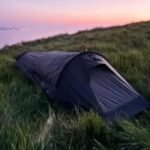
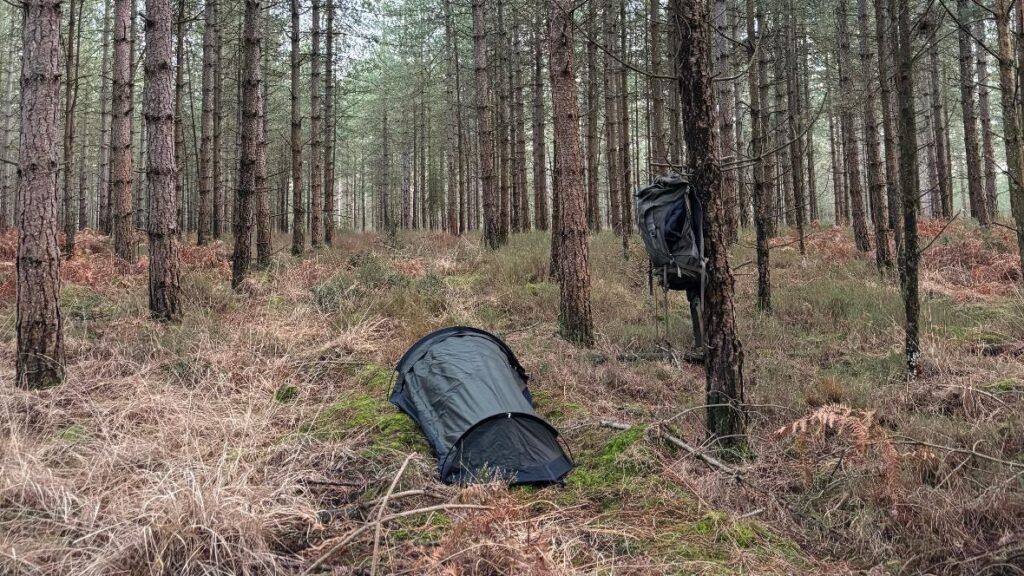
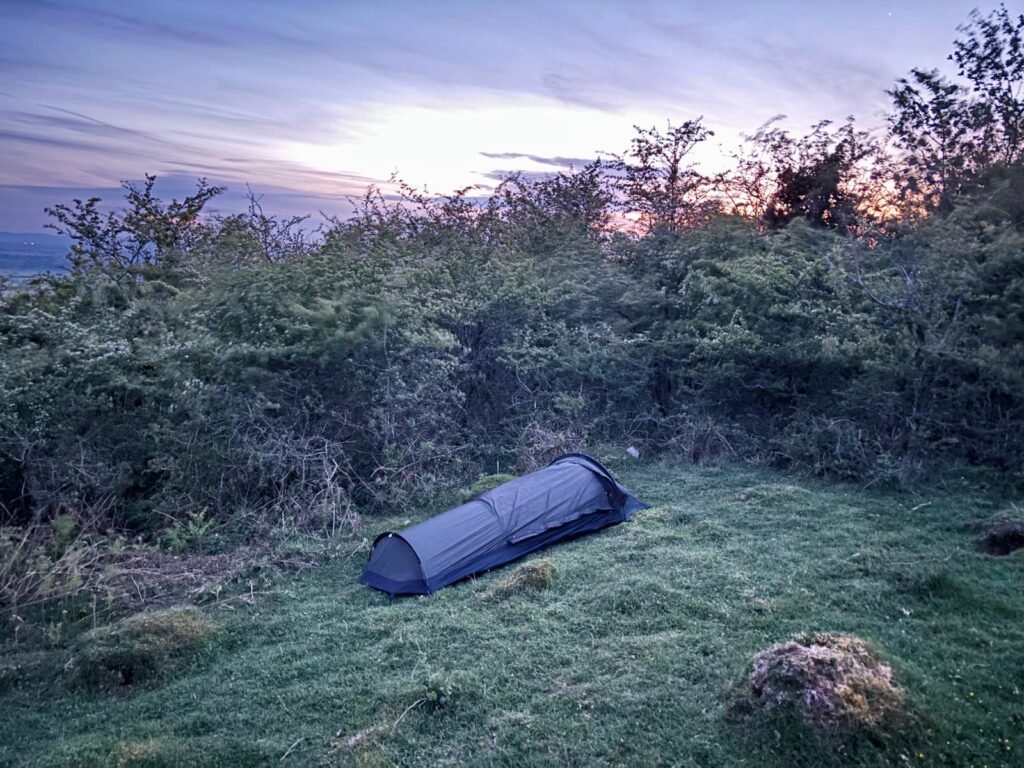
“You’re brave to sleep in a coffin that you can’t sit up in”, was a comment posted to me about sleeping in the Nortent Skjul on a forum. It wasn’t a nasty comment, or a dig about my shelter of photos, but it was telling about how people think of bivvis.
And honestly, I understand why people think you need to be brave to spend a night in the elements. I also understand why bivvis put some people off.
They are smaller, quite confined and less forgiving than tents. They also have genuine disadvantages that become obvious once you’ve spent enough nights using one.
I’ve used bivvis for many years now, from simple drawstring bivvis during a cycling trip through Spain and southern France in my younger years, to Dutch army hooped bivvis across the UK and now the Nortent Skjul.
In fact, those early trips through Spain and France are what started my long relationship with bivvis, which I wrote about in Where It All Began: My Love Affair With Bivis.
Even though I genuinely love bivvi camping, I don’t think they’re perfect at all.
This isn’t a sales pitch or an attempt to convince people to buy one. These are simply the real disadvantages I’ve personally encountered after years of using bivvis in different conditions of British weather and further afield in southern Europe.
Bad Weather Can Become Miserable
The biggest disadvantage for me is bad weather. Not because a bivvi can’t handle rain or wind, but because prolonged bad weather inside a bivvi can become uncomfortable quickly.
A tent allows you to sit up, move around slightly, organise gear and generally wait out poor weather more comfortably. A bivvi doesn’t really allow any of that.
When you’re inside a bivvi during hours of heavy rain, you’re basically trapped lying down.
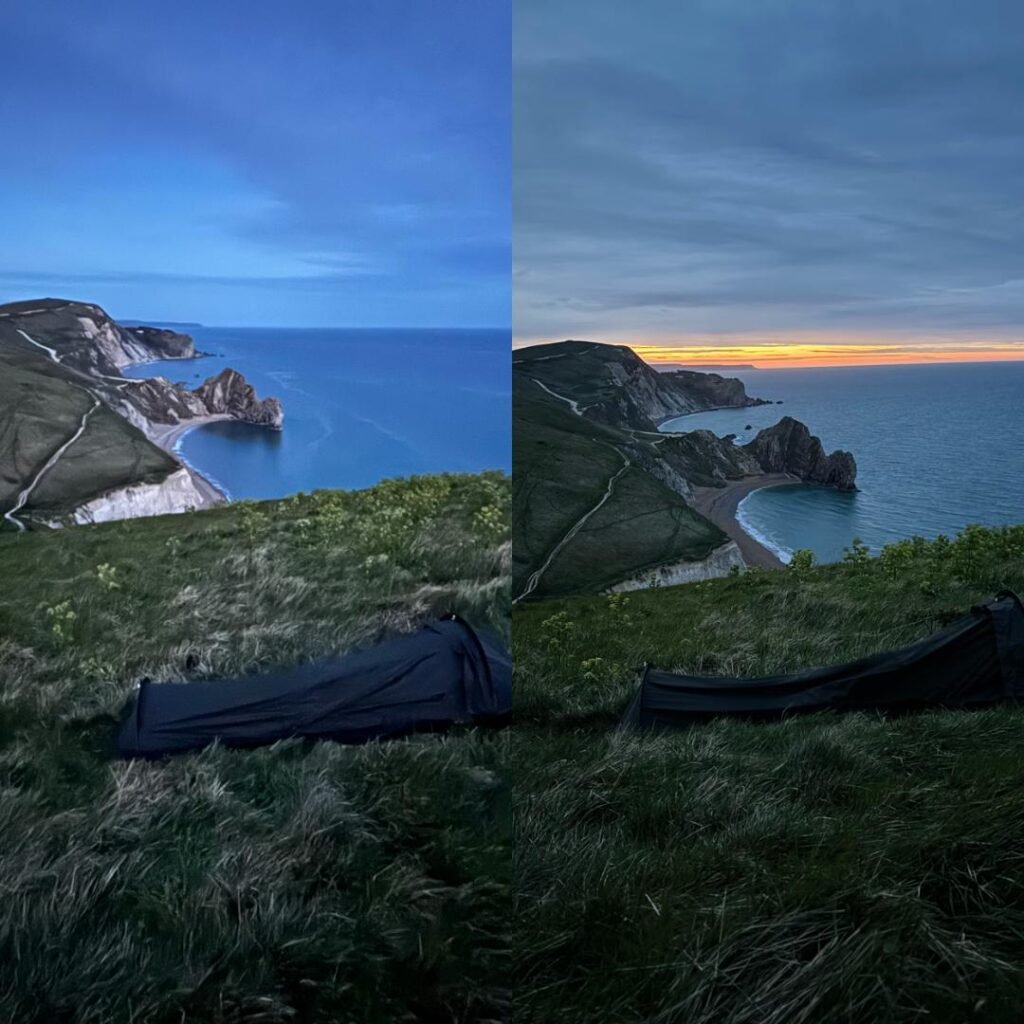
The top of the bivvi is only a short distance above your face, sometimes only around 10–20 cm. When heavy rain is hammering onto the fabric not far above your head all night, it can feel quite exposed and claustrophobic to some people.
I personally don’t feel claustrophobic in bivvis, but I do sometimes feel trapped during rough weather. There’s a difference.
I’ve had nights along the Dorset coast where I’ve basically just laid there listening to storms battering the bivvi for hours while waiting for morning. You stay dry, which is the important thing, but it’s not always enjoyable.
Without a tarp, you’re also very limited in what you can do. I’ve learned the hard way, and I won’t venture out in full rainy conditions. It’s no fun and definitely not worth just lying there, trapped all night.
If you need to get out during heavy rain, maybe for the toilet or to sort gear out, you and your gear are going to get wet entering and exiting the bivvi. Then once you zip it back up again, you’re trapped inside with the wet.
That’s one of the biggest differences between a bivvi and even a small tent.
Space Is Extremely Limited
I think a lot of people underestimate just how little space a bivvi actually gives you. They are really designed as a place to sleep rather than somewhere to spend time.
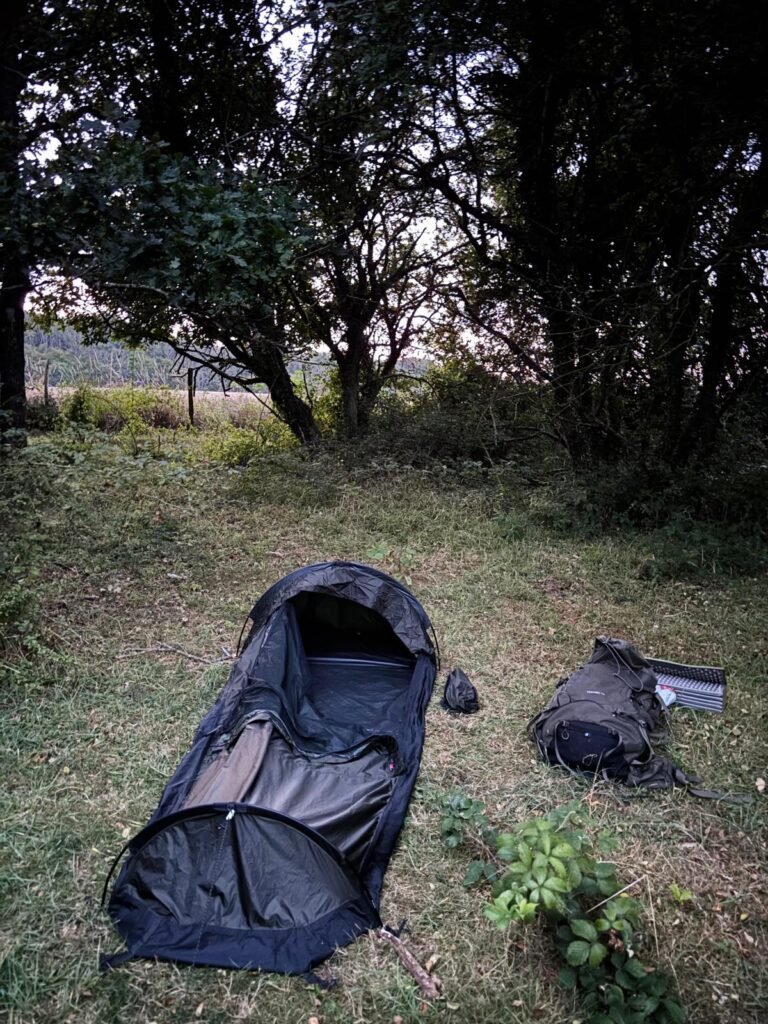
If you enjoy sitting inside a shelter watching films, lounging for hours, cooking comfortably or spreading yourself and your gear around, a bivvi will come as a shock.
Personally, I don’t mind this because I’m used to this type of shelter and style of camping. Once I’m inside the bivvi, I’m usually settling down for the night anyway.
But there’s no denying that spending long periods inside one can become tedious. You can’t sit up, changing clothes is pretty difficult and everything tends to end up piled around you in the limited space.
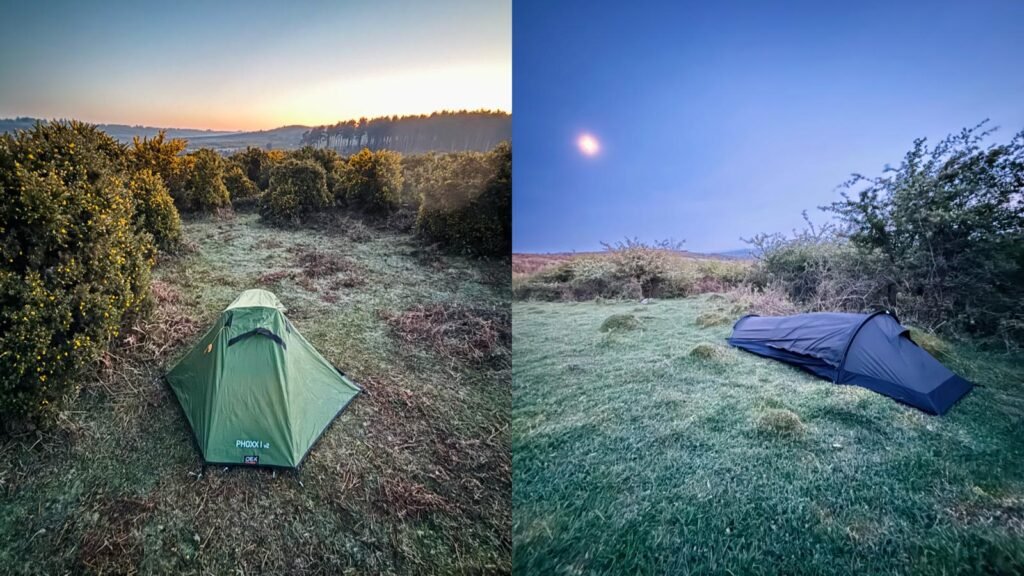
In a tent, even a small one like the OEX Phoxx 1 V2, you’ll notice the extra comfort of space and height.
Wet Gear Becomes More Annoying
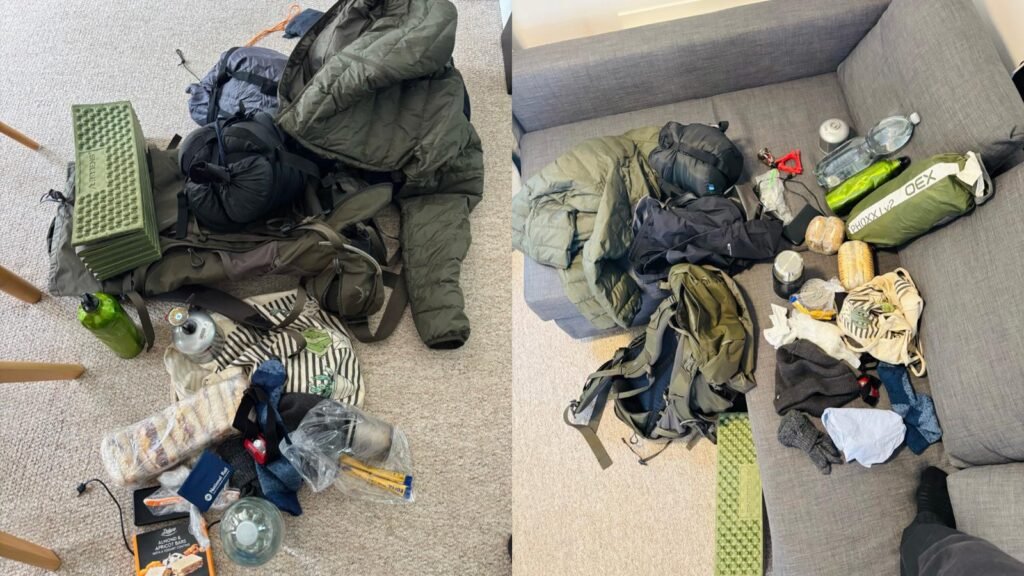
This is something I rarely see people properly talk about online. In a tent, you normally have a vestibule where wet boots, waterproofs and damp gear can be stored separately from your sleeping area. A bivvi doesn’t offer that luxury I’m afraid.
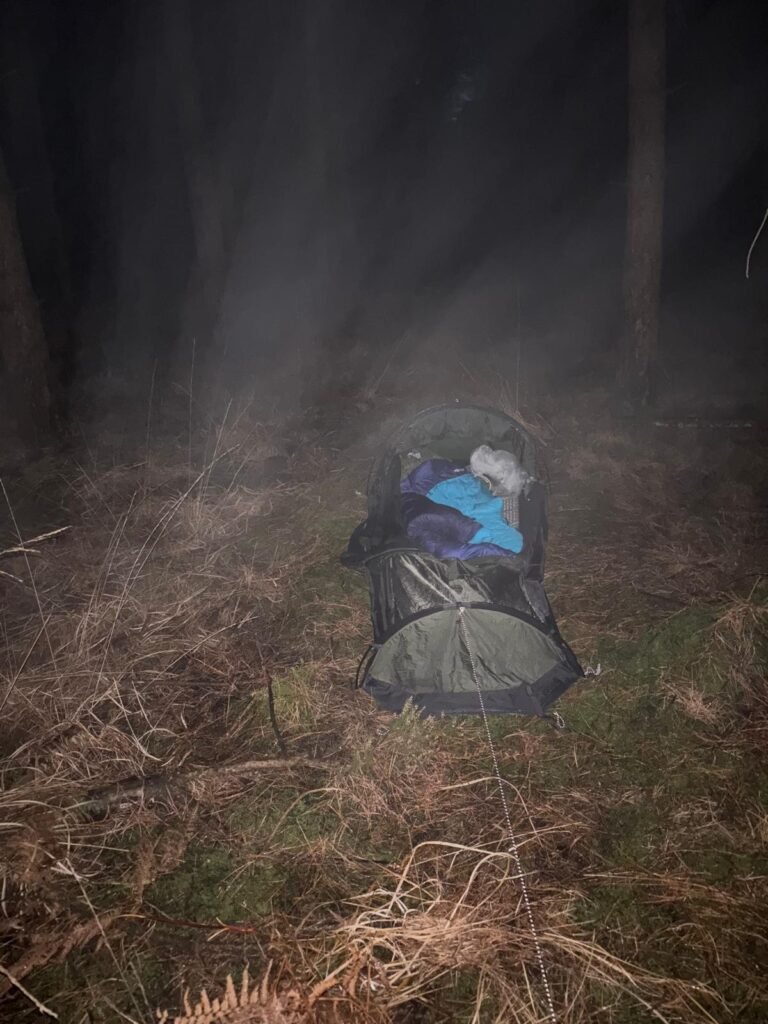
If you arrive soaked after walking through heavy rain, everything needs to come into the bivvi with you. And because the space is so small, all of that moisture is brought inside with you.
The only real solution is to try and bag wet gear up, but even then it’s not ideal. Changing clothes inside a bivvi is tough. In a tent you can at least shuffle around slightly. In a bivvi, it’s a long uncomfortable performance.
Again, this isn’t to put anyone off, it’s just one of the compromises that needs to be noted when going bivvi camping.
Heat and Bugs Can Be Brutal
Some of my roughest nights in bivvis have actually happened during warmer weather rather than winter.
One summer in the New Forest, the mosquitoes and biting beasties were unreal at dusk while I was trying to set up. They were all over my face, ears and neck, and I was getting eaten alive.
I quickly climbed into the bivvi and zipped up the side entrance and bug mesh. Later I needed to get out for a pee, but in my rush to get out without letting any beasties in, the bug net zip broke.
That meant I had no choice but to fully zip the bivvi shut for the entire night. It was long and uncomfortable. Hot, humid and with almost no ventilation, it was a night to remember.
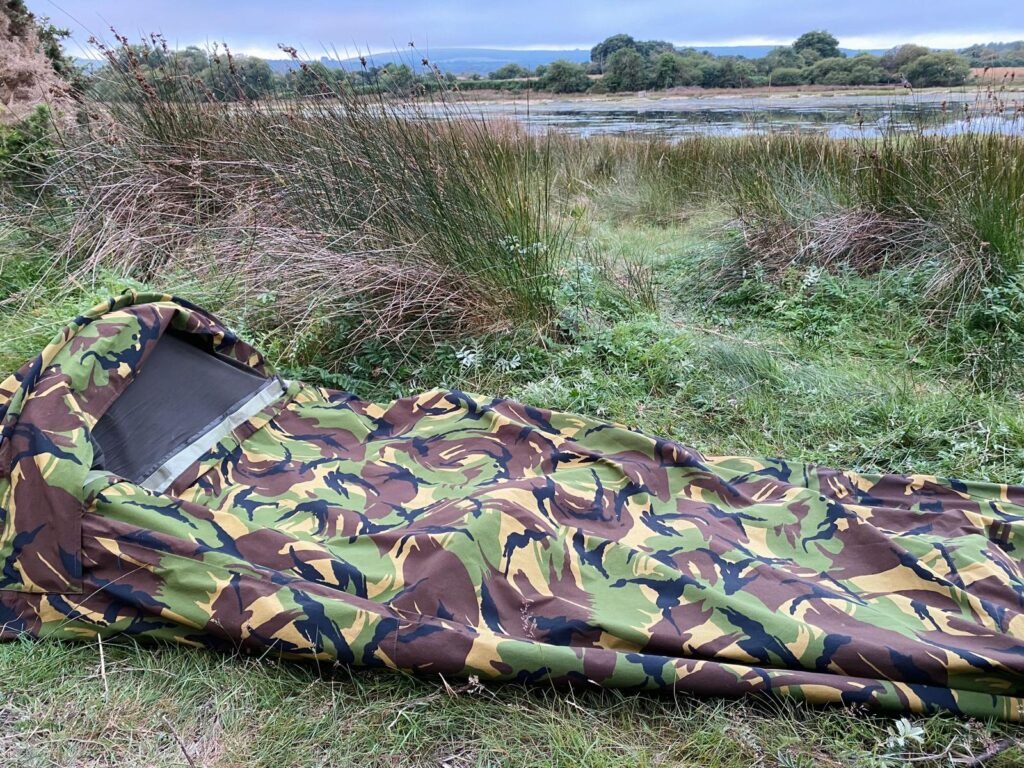
I’ve also experienced this years earlier while travelling through southern France and Spain using old drawstring bivvis.
The countryside was full of mosquitoes, so the only option was pulling the bivvi completely shut, leaving only a tiny breathing hole for our mouths.
The heat inside those bivvis was rough night after night. This is one reason I appreciate the Nortent Skjul so much nowadays. The huge bug mesh section massively improves airflow and makes summer bivvi camping much more enjoyable and comfortable as I’m getting older.
Condensation Happens
Condensation is another disadvantage people should realistically expect and be prepared for. I’ve had condensation in every bivvi and tent I’ve ever owned.
Cold and damp British air creates condensation. That’s simply reality.

Because bivvis are small and close fitting, your breath and body heat create moisture inside very quickly, especially on cold still nights.
In most cases for me, it’s usually a fine layer of moisture around the inside near the head area rather than anything worse such as water dripping.
It’s manageable and part of camping in the UK, but people expecting completely dry interiors all the time may be disappointed.
A bivvi will transfer some of that moisture onto your sleeping bag because the fabric sits so close to both.
Why I Still Love Bivvis Despite All This
After everything I’ve just said, people probably wonder why I still use bivvis so much. The answer is pretty simple. It’s because the many positives still outweigh the negatives for me.
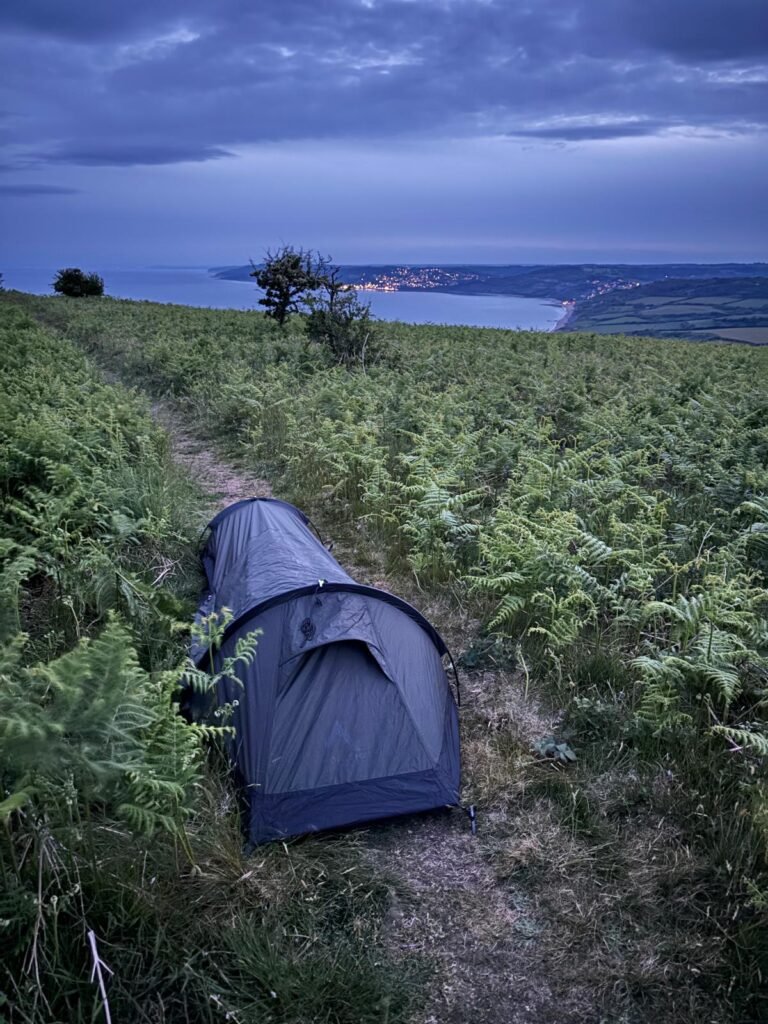
I love their simplicity. I love how discreet they are. I love how they fit into tiny hidden places where tents can’t.
And more than anything, I love the way they make me feel connected to the places I sleep in.
A bivvi feels less hidden from the environment and more like being part of it. Especially with the Nortent Skjul and its large bug mesh section, lying there looking directly up at the sky, is amazing. So too is the feeling of the breeze, the smells and the noises that enter the bivvi through the mesh.
If you’d like a more detailed look at the shelter itself, I’ve also written a full Nortent Skjul Review (UK Wild Camping Test).
That feeling is awesome and one of the biggest highlights of using the Skjul.
But the disadvantages are real too. Bivvis are not ideal for sitting out storms. They’re certainly not luxurious. They are definitely not spacious. And they aren’t for everyone.
Who I Think Bivvis Suit Best
I think bivvis work best for people who:
- enjoy simple camping
- like low-profile or stealth camping
- don’t mind small spaces
- spend most of their time outdoors rather than inside the shelter
- prefer lightweight and minimal gear
The reasons why stealth and low-impact camping are important to me are explained in The Way I Wild Camp – Quiet, Stealth and Low Impact.
I think they will suit people less if:
- you enjoy lots of comfort
- you dislike confined spaces
- you want to spend long evenings inside your shelter
- you regularly camp in prolonged bad weather
- you like keeping lots of gear organised around you
A small tent is honestly the better option for many people, especially for beginners.
Final Thoughts
I genuinely love bivvi camping, but I also think it is important for people to understand the disadvantages before buying one.
A bivvi is really a minimalist shelter built mainly for sleeping rather than living in. That simplicity is exactly what makes them brilliant for some people and terrible for others.
For me, the stealth, simplicity and connection to the outdoors certainly outweighs the negatives. But there are definitely nights where I’m very grateful to own a small tent as well.
That’s something I discussed further in Bivvi vs Tent for Wild Camping in England – Which Do I Prefer?
I don’t think bivvis are better than tents. And I don’t think tents are better than bivvis. They simply suit different people, different trips and different ways of camping.
If you’re curious about bivvi camping, I’d still genuinely recommend trying it at least once. But before you try bivvi camping, it’s important to understand the compromises first.
A Gentle Encouragement
If you have any questions, feel free to get in touch through social media or the contact page.
I appreciate you taking the time to read this and I’d genuinely like to hear your thoughts and experiences with bivvi camping too.
Thanks again,
Dan.

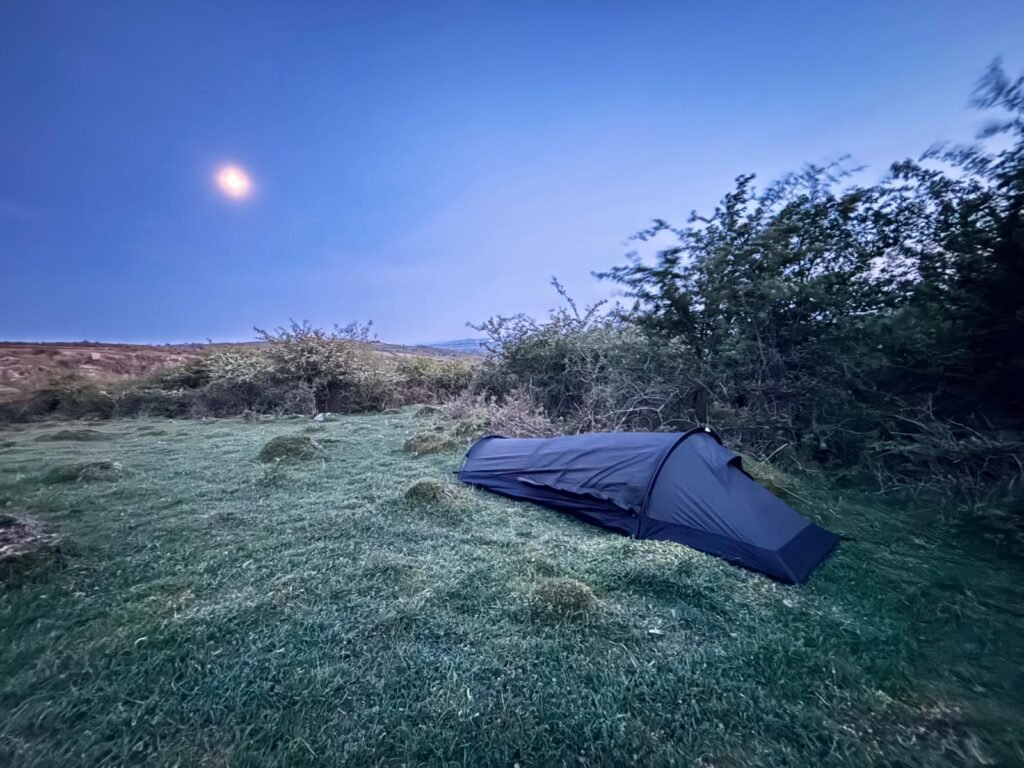
[…] fact, it’s one of the main disadvantages of using a bivvi compared to a […]
[…] explored this in more detail in What Are the Disadvantages of a Bivy Bag?, where I look at some of the compromises that come with travelling […]