
How I Find Wild Camping Spots in England (Real Approach)

I don’t really have a proper system for locating a camp spot. It’s more of a process, a bit of hit and miss and a bit of luck.
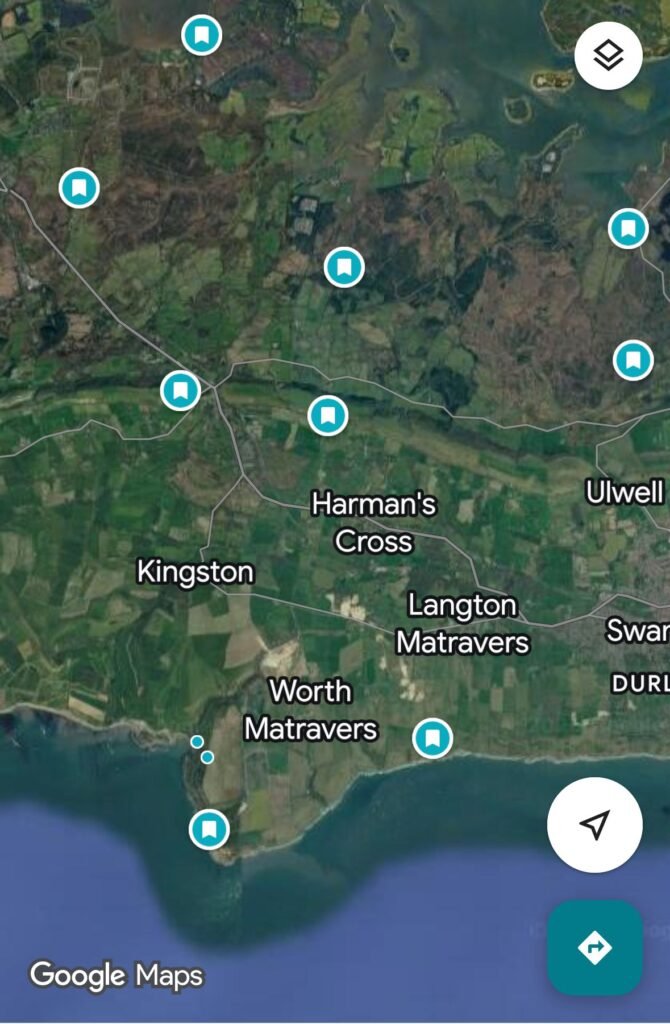
The main tool I use is Google Maps. I’ve spent years exploring woodland, following footpaths, zooming in on bits of countryside looking for camping spots.
It’s not the most technical way of doing things, it gives me a rough idea of different areas and I’ve slowly built up a list of potential spots. But you never know until you get there.
To be honest, I’ve got a terrible sense of direction. I get lost a lot, and quite often the place I thought looked suitable turns out to be very different once I get there.
Where I go really depends on a few things: the weather, the season, how much time I’ve got and how I’m feeling after work.
If it’s been a long week, I’m tired or the weather is bad, I’m not driving miles and then walking for hours. I’ll pick somewhere closer to home that’s easy to reach. Somewhere I can get to without rushing, especially in winter when it gets dark early.
I’ve had quite a few camps where I arrived way too late and ended up fumbling around in the dark.
One camp on the Dorset coast, I jumped off the bus and under estimated the long walk to where I had planned to camp. By the time I got near the area I wanted to camp, it was already getting too dark to safely negotiate the steep muddy track to the beach.
So I headed up onto the cliffs instead. It was foggy and I hadn’t checked out the area beforehand. I found a nice flat patch of grass and set up the tent. Early the next morning, when the fog lifted, I noticed house nearby. Turns out I’d camped not far from them, and I was visible from their windows.
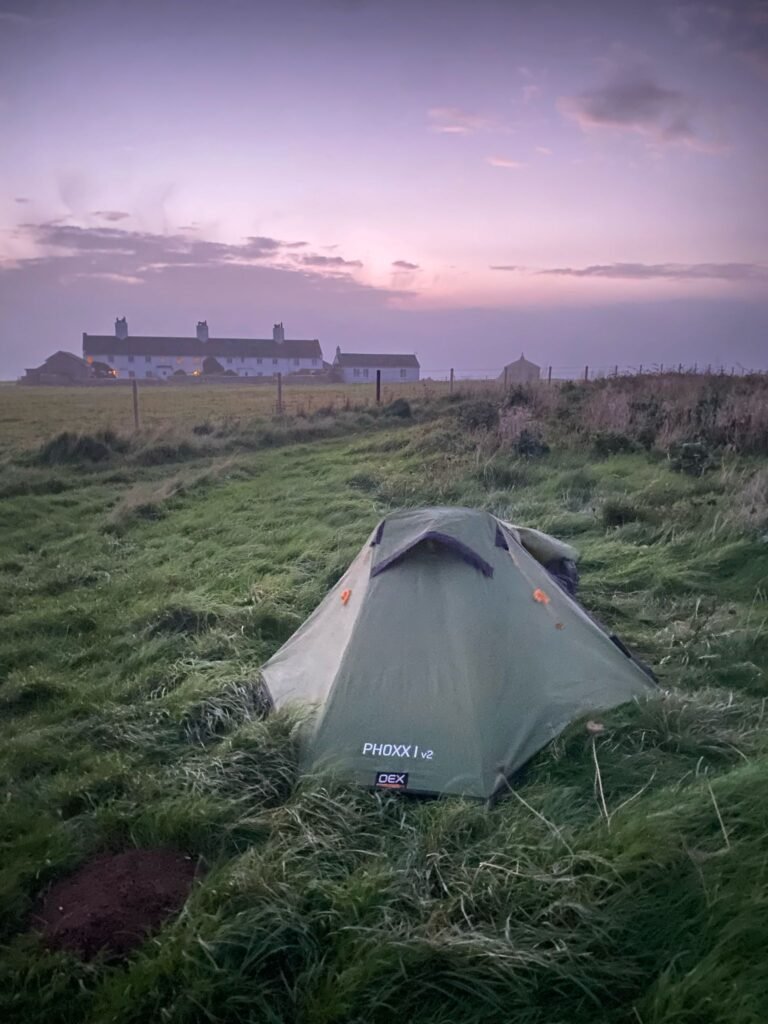
Rushing around in the dark isn’t much fun, but it is a memorable adventure. I learned that the hard way.
One thing I’ve started to avoid is random bits of woodland with no name on Google Maps. If there’s no name, no clear access and no information about it, it’s probably private land.
Street View helps out a lot. I look for clues such as car parks, access points and of course signs that indicate whether it’s private.
I was walking a section of the South Downs Way in September and I was searching for a place to camp before it got dark. I spotted a small woodland area with no name on the map and decided to take a look.
As soon as I entered, something didn’t feel right. A little further in and I began to see used shotgun cartridges littering the forest floor. I walked on a bit further and found a homemade seating area built from fallen trees and old metal barrels that were used for fires.
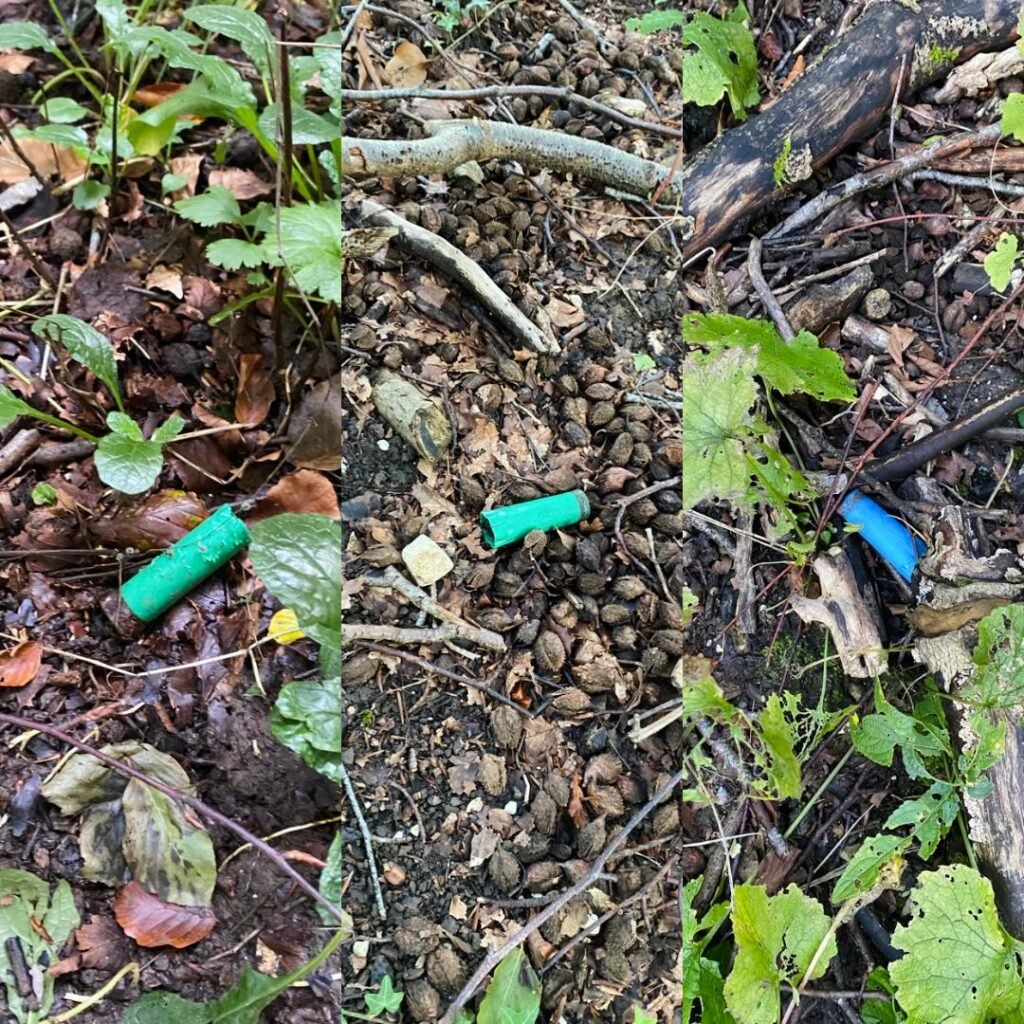
I made a quick exit, heading back onto the bridleway. Not long after I had left, I heard dogs barking and raised voices coming from the area I’d just left.
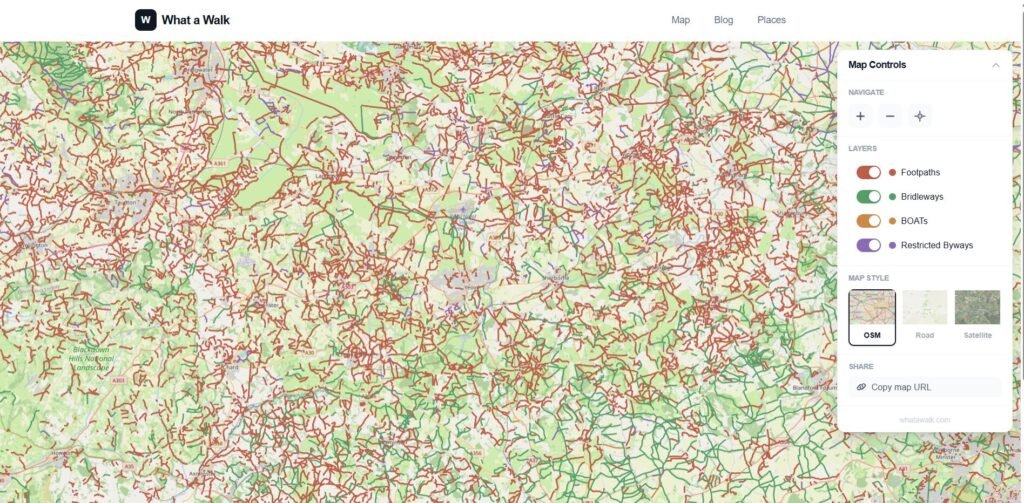
Another tip is to use apps or websites to check routes and rights of way. These can help with identifying private areas. I frequently use a free website called whatawalk.com. I have used paid walking apps, but the amount I use them, they’re not worth the money.
If there are no right of ways to or through the area I’m looking at, then I will leave it and look for another spot. Some people go much further and start checking land ownership records, but I don’t.
Once I’ve found a potential area, I then try to figure out how to actually get there. This is where whatawalk and other app come in useful. They help to plot a route from possible parking spots to possible camping spots. But no app is perfect and 100% reliable.
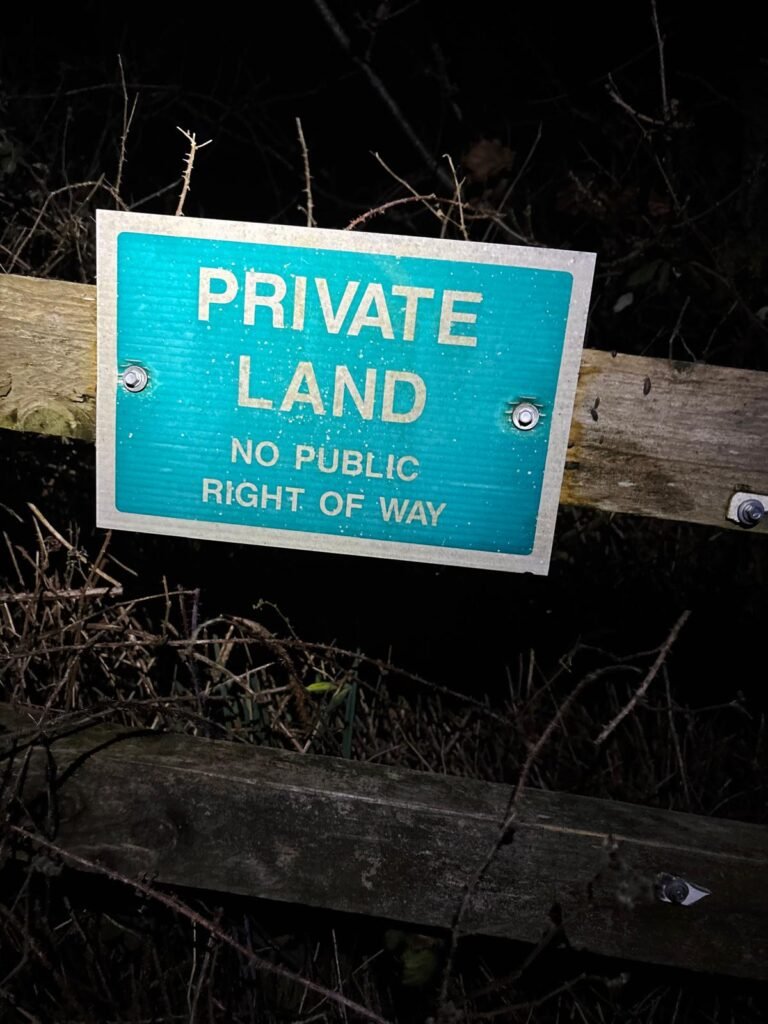
On some occasions, routes have been difficult to follow because signposts had been ripped down or hidden in bushes. I’ve queried routes and turned around due to paths being blocked by machinery, livestock, electric fences, over grown bushes and even closed gates with private property signs.
I used to use public transport for most camps, but now I use a car as I travel further afield. This means parking becomes part of the planning as well. If there’s no village or somewhere nearby I can park, then the place isn’t for me.
I’ve got a few rules when it comes to parking. I won’t leave my car unattended overnight in a countryside car park or a viewpoint car park. Places like the New Forest have many of these. They often have signs warning of thefts, so I’d rather park in a village and walk in for there.
When I get near an area, I usually have a few possible spots in mind rather than relying on one single place. As I’m walking, I’m always looking around for a decent spot, but also for a backup spot if all else fails.
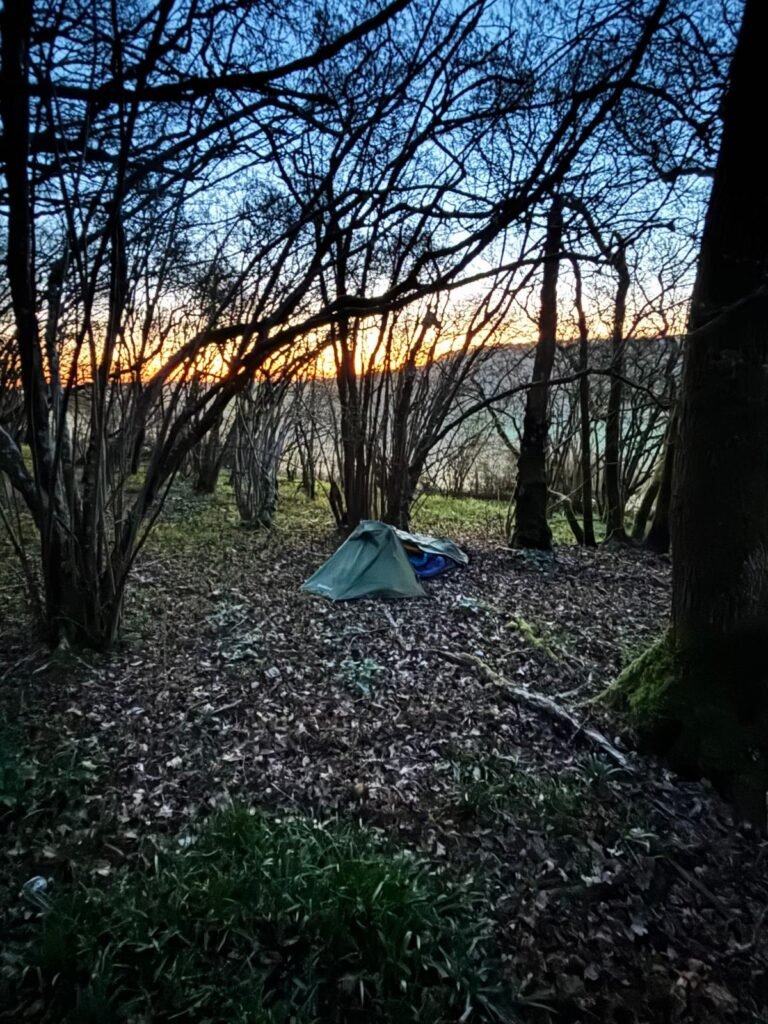
I’m not that picky, but I do like somewhere with a bit of cover and flat ground. I try to stay away from paths, car parks and obvious access points. I avoid places that have fire pits, makeshift seating areas or piles of rubbish. And I definitely won’t camp any where I can get trapped, with only one route in and out.
My original plan never survives the whole trip, and I am making changes as I go. Sometimes a place looks perfect online, but when you arrive, it’s quite often the oppose.
One time I headed out to the New Forest near Brockenhurst, after spotting a lovely looking river on Google Maps. But when I got there, I discovered that only a small section of the river was accessible, the rest of it disappearing under under a large fence onto private land.
Weather and season play a massive role in deciding where to sleep for the night. If it’s going to be wet or windy, I’ll head into the shelter of a woodland. If it’s calm and clear, I might head higher up or towards the coast.
During summer I avoid some areas. I live in Dorset, and the coastline is a no-go for me in the summer holidays. There’s too many people and too much chance of being disturbed. In certain areas, there are also increased patrols in certain areas, who move on anyone camping.
Autumn and spring are probably my favourite times to camp. The weather is still pretty decent, and the crowds have gone home.
In the end, I’m not really looking for the perfect spot. Most camps involve a bit of improvising. I’m just looking for somewhere quiet, out of sight and far enough away from people that I can relax for the night.
Sometimes a spot is amazing. Sometimes a spot is just good enough. Either way, once the bivvy or tent is up and everything goes quiet, that’s usually good enough for me.
If you’re new to this, start here Wild Camping in England: What It Is, Is It Legal, and What’s Expected of You
And if you want to keep your setup simple and cheap for a first trip, read Wild Camping Kit for Beginners (Cheap, Simple and Enough for One Night)
If you’re wondering what it actually feels like once the sun goes down, read What It’s Like at Night
Don’t rush the process. Half of wild camping is figuring it out as you go.
Please leave no trace.
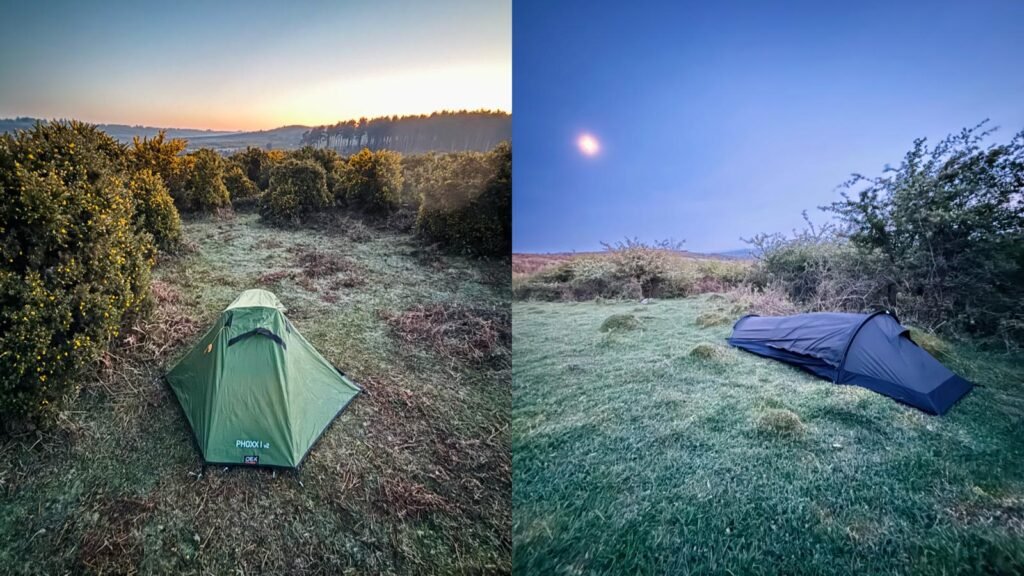
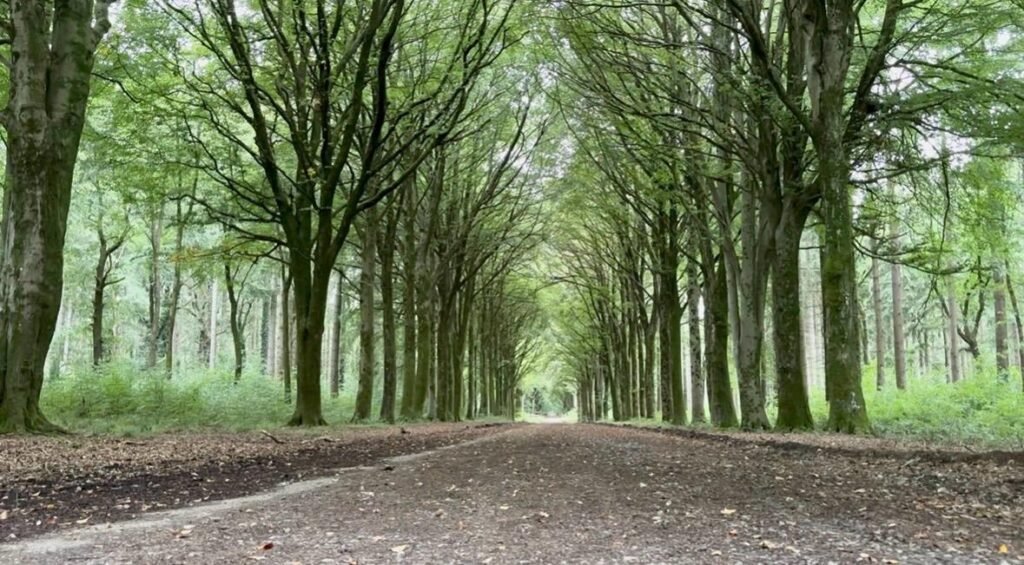
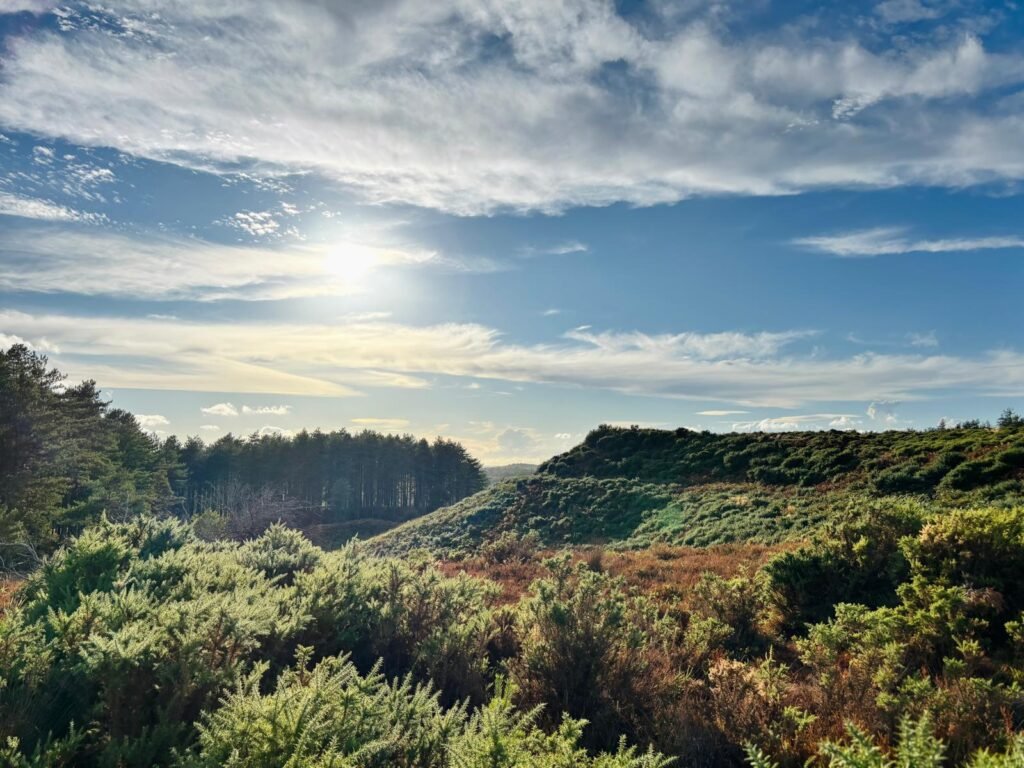
[…] Finding somewhere suitable often takes longer than people expect. I wrote more about my approach in How to Find a Wild Camping Spot. […]
[…] Finding places like these has become part of the adventure, and I explain more about that in How to Find a Wild Camping Spot. […]