
Wild Camping the Dorset Coast (Jurassic Coast, UK)
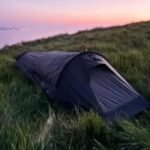
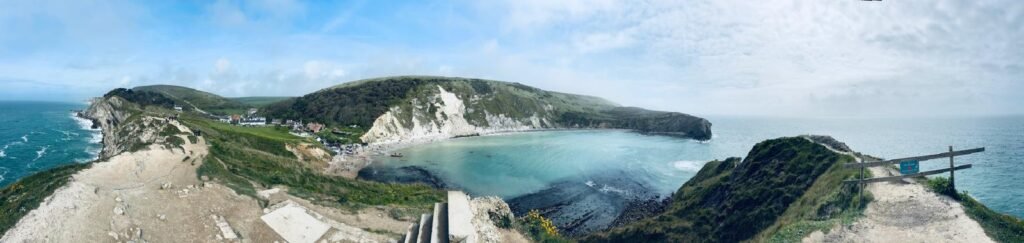
There’s something about the Dorset coast that keeps pulling me back, especially for wild camping.
I’ve camped in a lot of places over the years, but this stretch from the Isle of Purbeck across the Jurassic Coast, always feels special. The sea, the cliffs the constant ups and downs… there’s a lot of variety here, and that’s a huge reason why I love the place so much.
Over the years, I’ve found a few spots that I like and I return to, some are better than others, but each one has something unique about it.
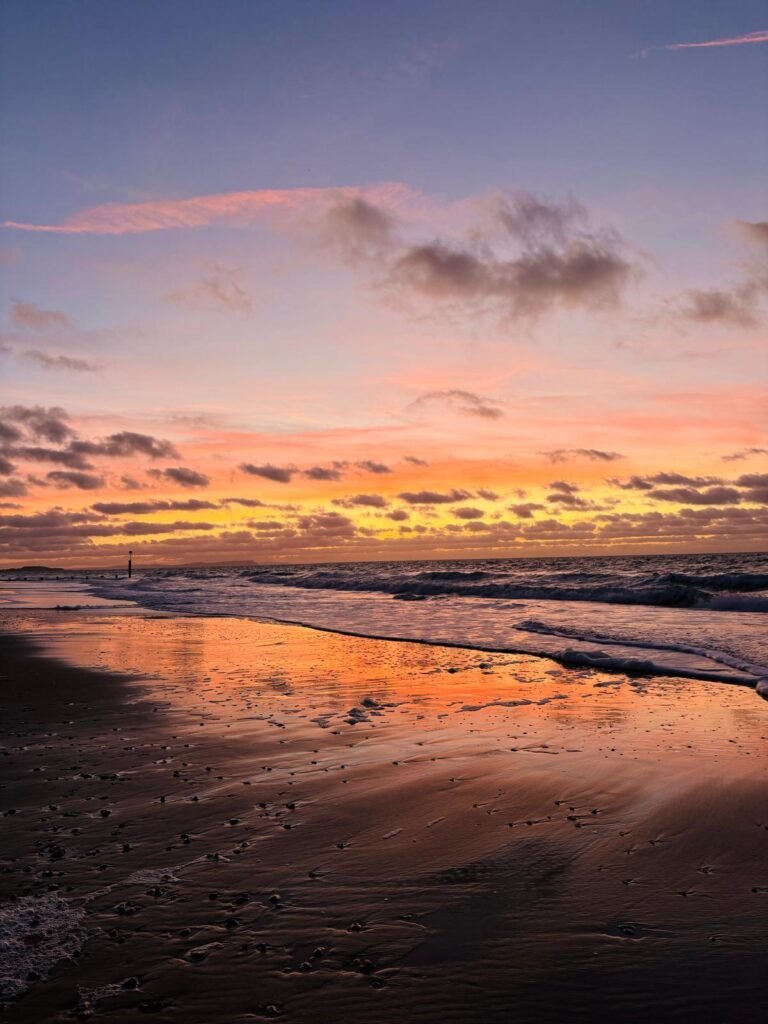
Spending time along this coast isn’t all about the camping. It’s the landscape itself, the mix of rock cliffs, chalk ridges, sediment layers, beaches, fossils, shingle and low-lying boggy ground. It changes constantly, and that’s what makes it such a wonderfully interesting place to explore.
The Reality of Camping Along This Coast
On a map, this place looks perfect. The open cliff tops, big views, miles of coastline and plenty of places that look ideal for a wild camp. But the reality is sometimes different.
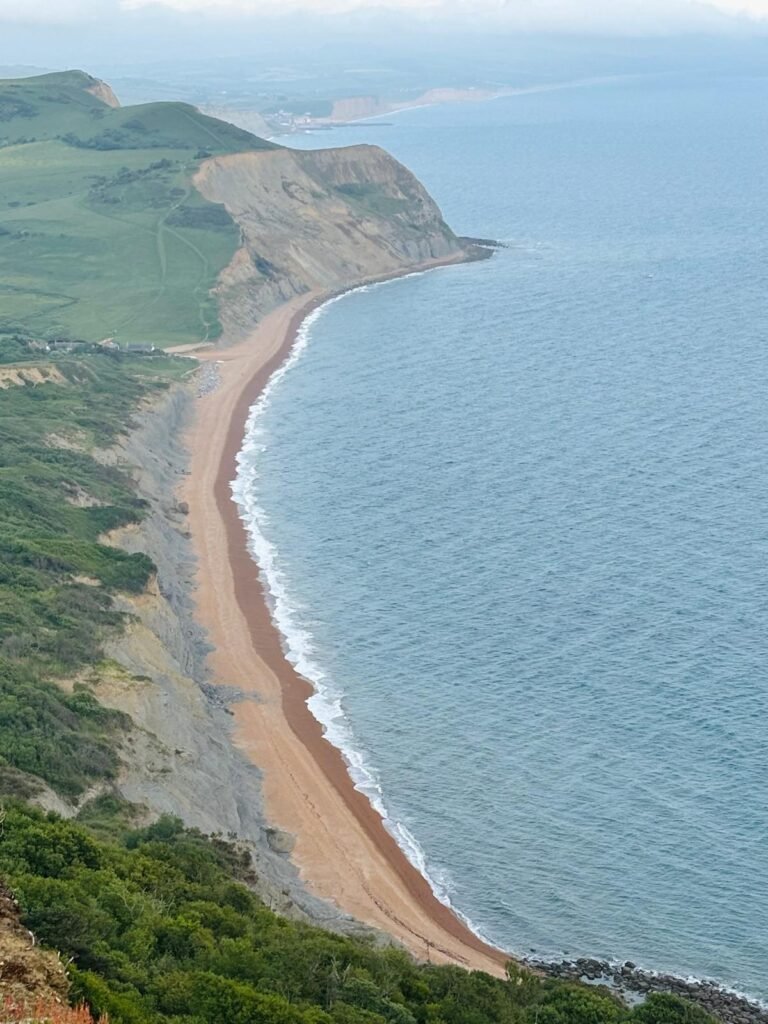
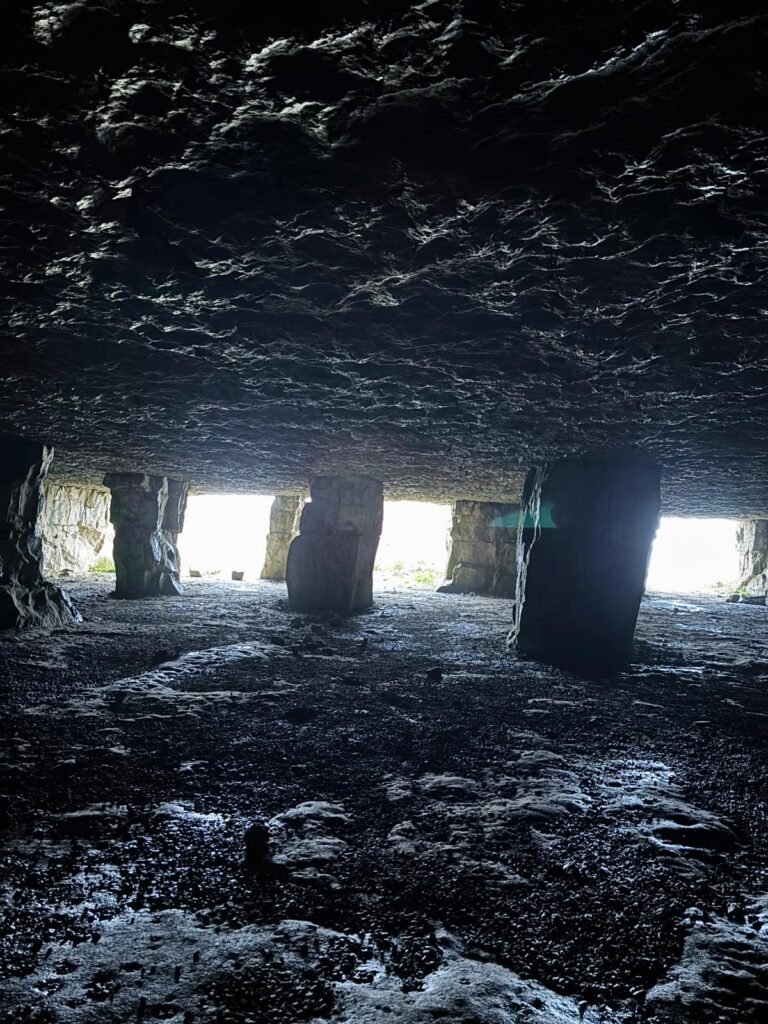
Some areas are too exposed, some are too busy and some are best avoided. I’ve walked into caves and quarries that have looked awesome places to spend the night, only to find them strewn with rubbish, old fire pits and worse. Unfortunately, it happens in places that are very accessible and easy to reach.
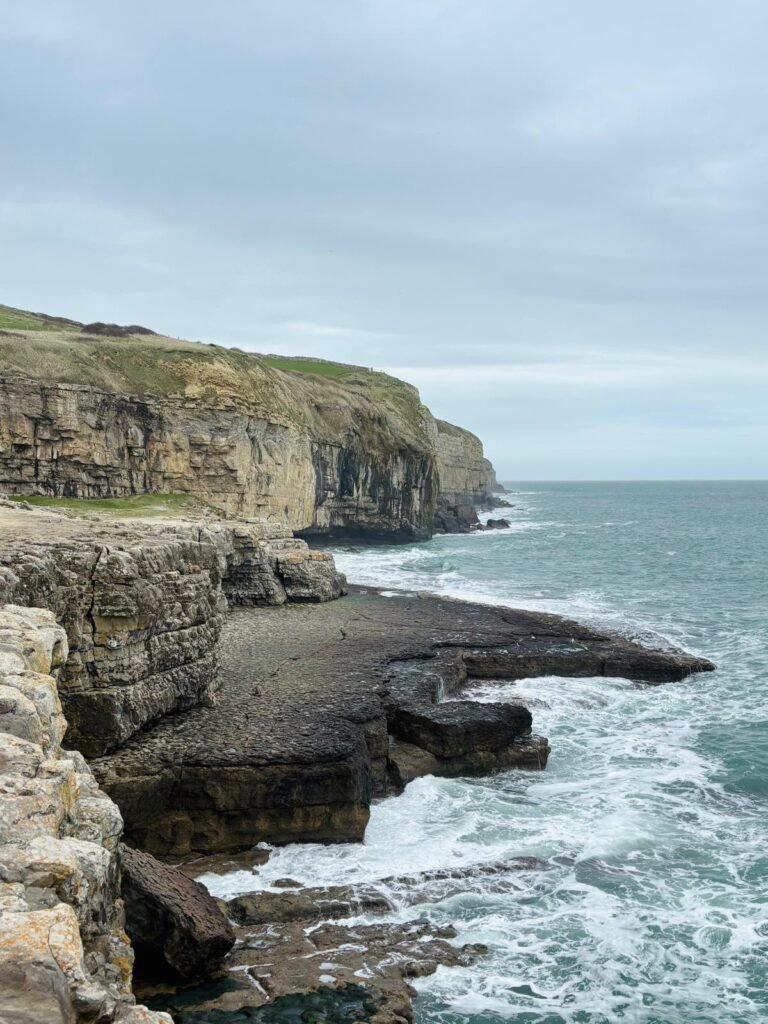
Other areas, such as the hills above Dancing Ledge, quieter sections near Old Harry Rock or further along towards White Nothe and Swyre Head, all have given me some great nights out.
Not always in the best of weathers, and not always undisturbed. But always memorable.
It’s Not Always Peaceful
Even when you think you’ve found a quiet spot, you’re not always alone. Some nights, I’ve heard distant music drifting up from the cliffs late at night. I’ve seen head torches moving across hills in the dark and runners run right past me in the middle of the night when I didn’t expect it.
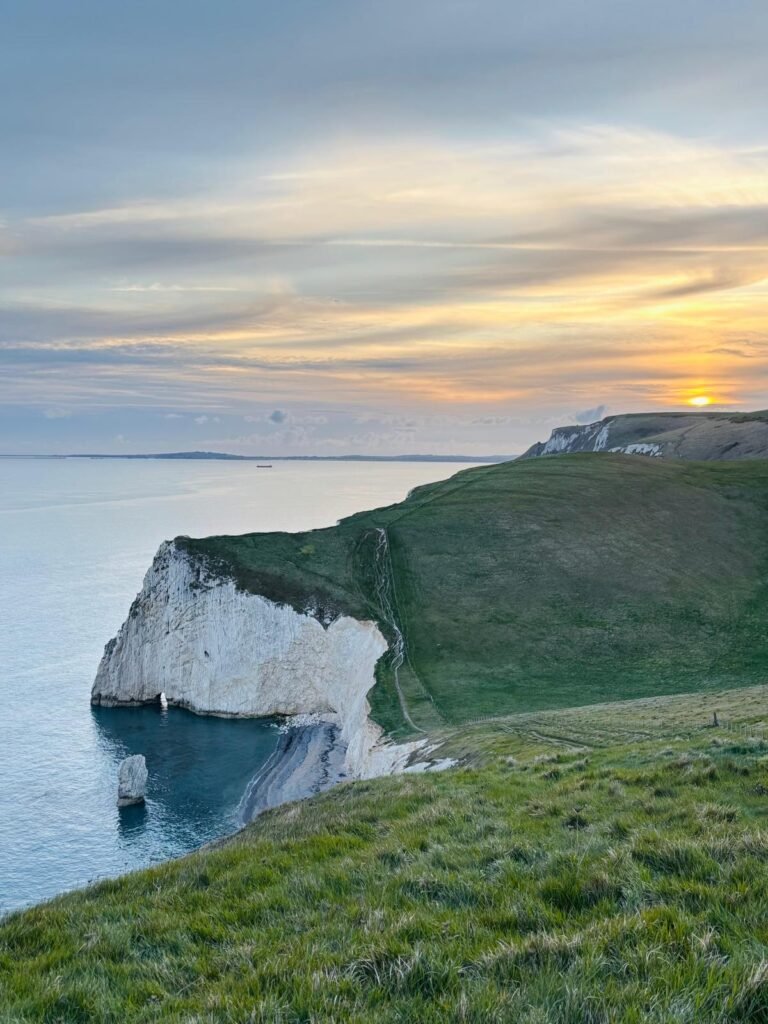
But that’s just part of being out here. A quiet and secluded cliff top doesn’t always mean an empty one. I, like many others, love and use this coastline in our own way.
Timing Matters More Than Anything
Timing makes all the difference along the Dorset coast. You have to pick your moments. I avoid the Dorset coast in summer months. It’s just way too busy. The South West Coast Path fills up, the car parks are full and places like Durdle Door and Lulworth Cove are jam-packed.
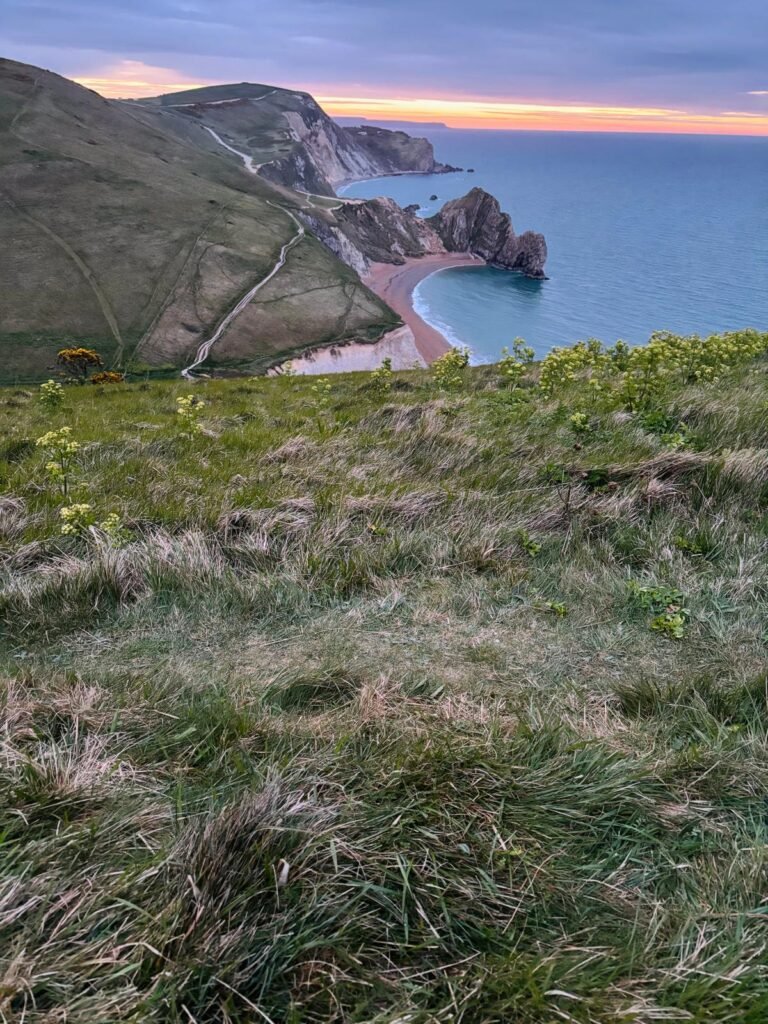
Outside of those busy times, it’s a very different place entirely. The colder months, shorter days and the return of the rougher weather is when it returns to emptiness and you pretty much get the place all to yourself. The views feel bigger again, and that feeling of solitude and peace returns.
Conditions Can Change Quickly
As with other coastlines around the UK, it doesn’t always give you much warning, and conditions can be very unpredictable at times.
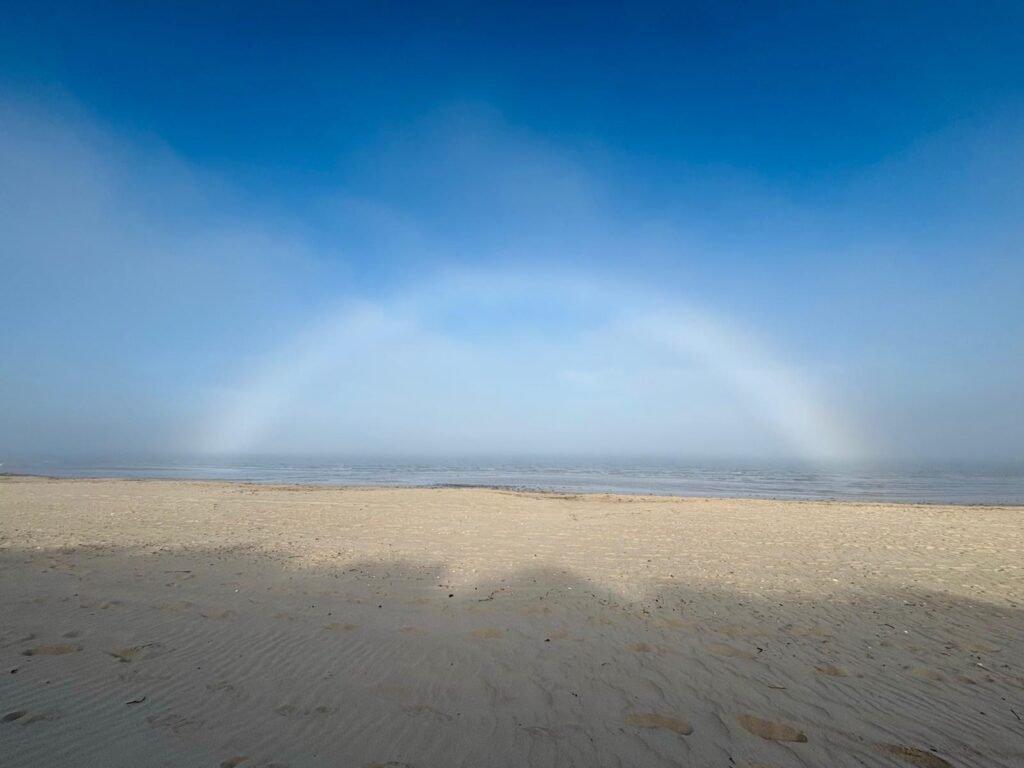
Calm forecasts can turn into wind and rain along the coast in no time, and fog and sea mist can roll in and wipe out visibility.
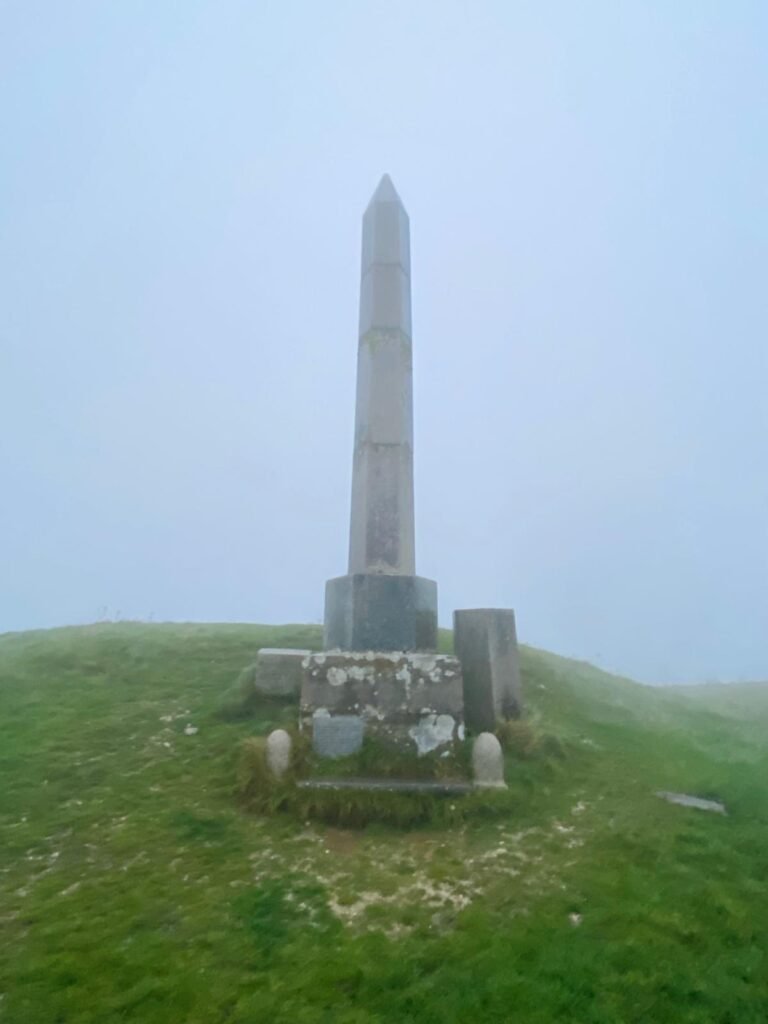
Hazards always exist along the coast, and being respectful of conditions and the landscape helps reduce risk. Trust your instincts, and if something doesn’t feel right, it usually isn’t.
Finding the Right Spot
Some of the better camping spots I’ve found have come from walking away from what looks like the best places. Head away from the main paths and popular spots, things change. There’s a lot less foot traffic and more space. More of that feeling of being alone, and more chance of encountering one of those magical moments of stumbling on a great spot by chance.
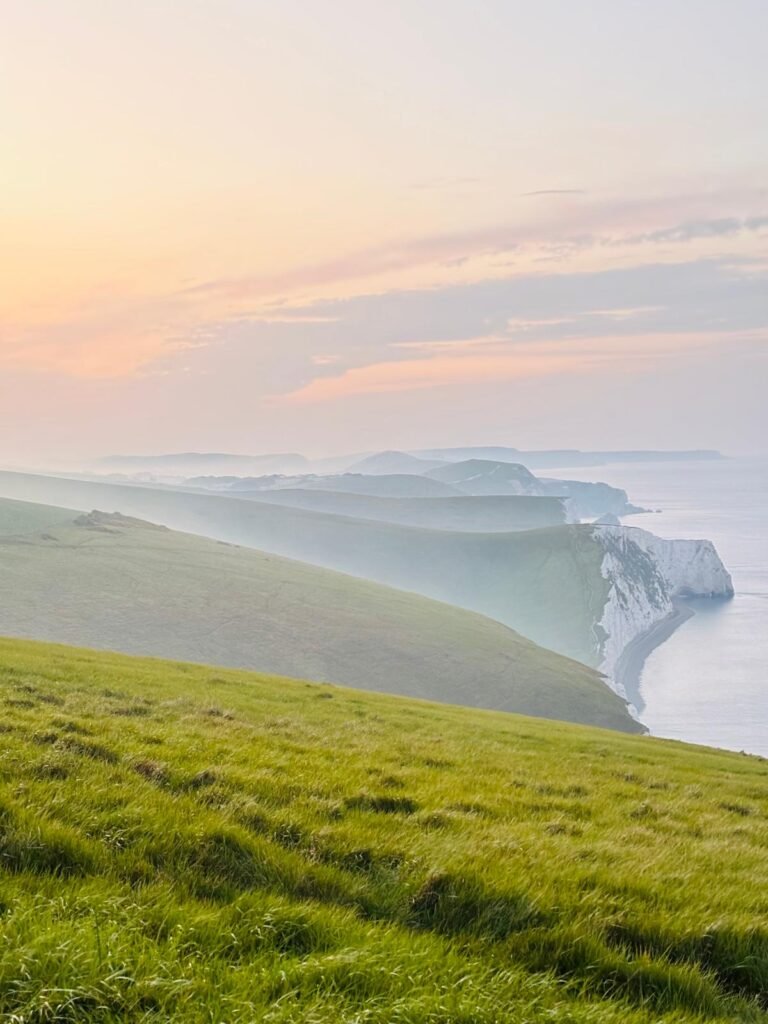
This place keeps you on your toes and throws up some surprises. Sometimes I’ve had to change route, I’ve had to move on and sometimes you just run out of light and time and have to settle for something that isn’t planned and isn’t perfect.
Keeping It Simple
I really do my best to keep things simple when I’m out. I just go for the scenery and the moment of being out there in this wonderful place.
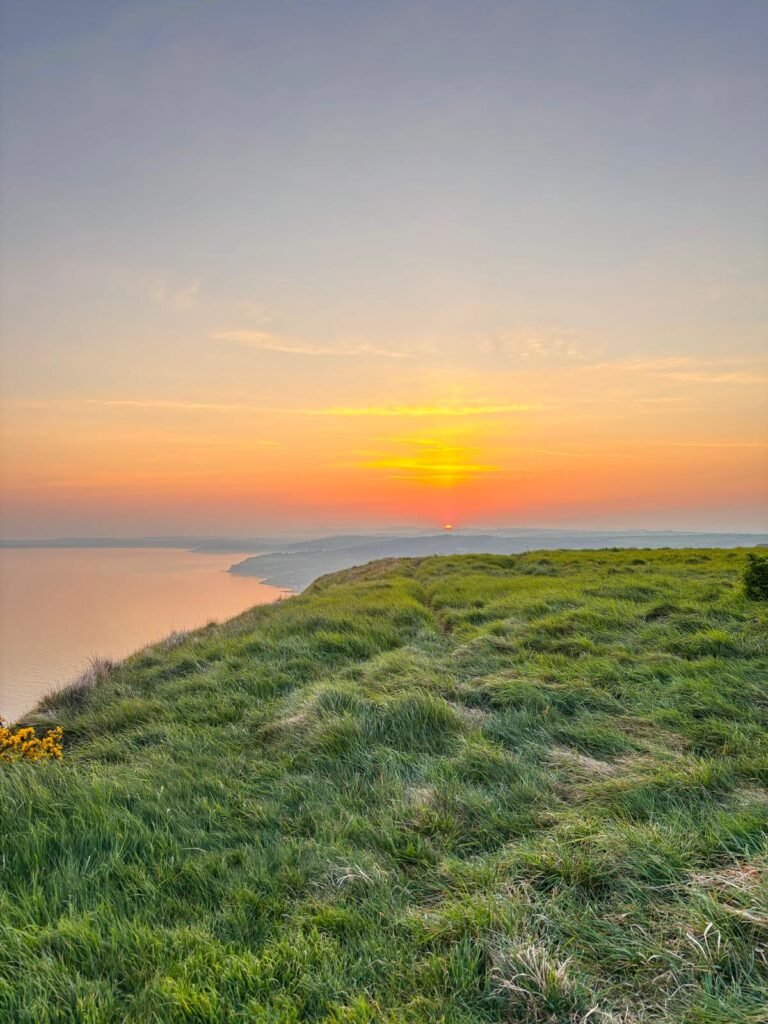
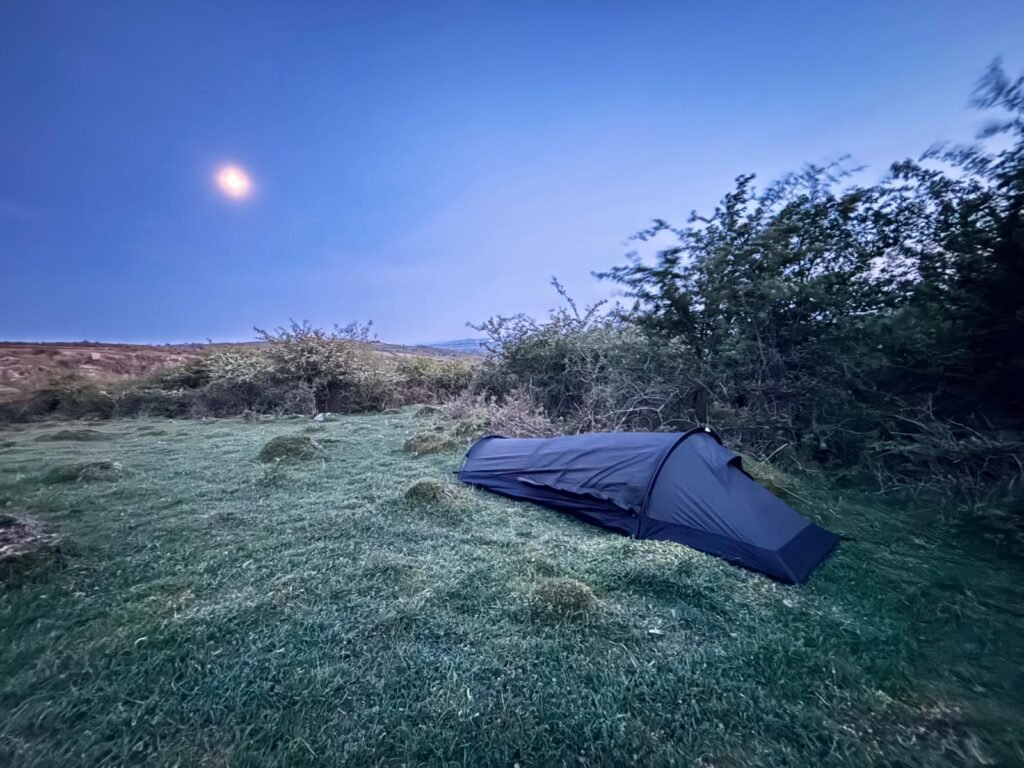
I try my best to keep a low profile while out, which can be a challenge with a 48 litre pack on my back and a sleeping mat visibly tied to it. I make sure to arrive late and set up as late as possible. I’m always up early, and pack up before anyone arrives or I’m spotted. I don’t do fires and I leave no trace.
We are all different, and that’s just my way of doing things.
If you enjoy this part of the Jurassic Coast, you may also like my camp at Dancing Ledge, with its exposed cliffs, sea views and coastal walking routes: Dancing Ledge Wild Camping (Dorset Coast Walk & Camp)
Final Thoughts
I certainly haven’t explored all the spots along this coast. I have merely dipped my toes in the sea, and half the time I’m just figuring it out as I go along.
But there’s one of the reasons I love being out here. Along with the walking, the searching, the odd bad decision, the change of plan, the opportunity to spend time in this wonderful environment is a real privilege.
A Quiet Encouragement
If you’re heading out this way, take your time with it.
There’s more here than just the obvious, well-known spots, and the more you look, the more you’ll find.
If you want to see more about wild camping along the Dorset coast, you can explore my other posts using the the hashtags below.
[…] If you enjoy this part of the Jurassic Coast, you may also like my longer Dorset coast walk and camp here: Wild Camping the Dorset Coast (Jurassic Coast, UK) […]